Ultimate Guide to Planning a Football Weekend in London
London is the best city on earth if you love football and travel. Six Premier League clubs call it home, plus Wembley for cup finals and internationals. You can land on Friday, watch a match Saturday, wander the city Sunday, and fly home with a story that beats any museum selfie.
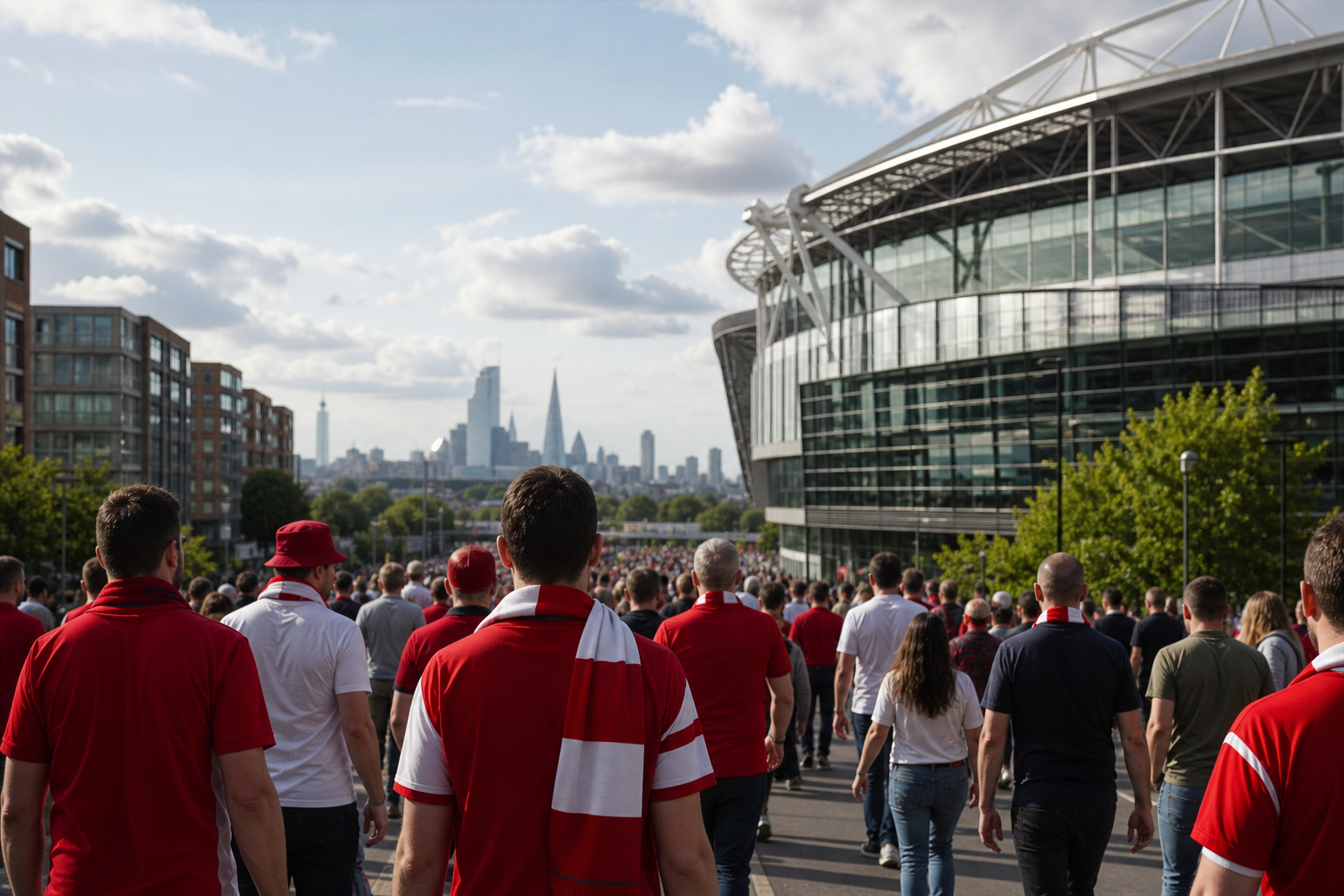
This guide walks you through planning a proper football weekend—without the corporate fluff. Think tickets, trains, pubs, and when to book the hotel before prices jump.
Why London works for football trips
Most European capitals give you one big club. London gives you Arsenal, Tottenham, Chelsea, West Ham, Fulham, Crystal Palace, and Brentford—all within Tube or Overground reach of the centre. Fixtures rotate, so a “quiet” weekend for one club might be a derby for another.
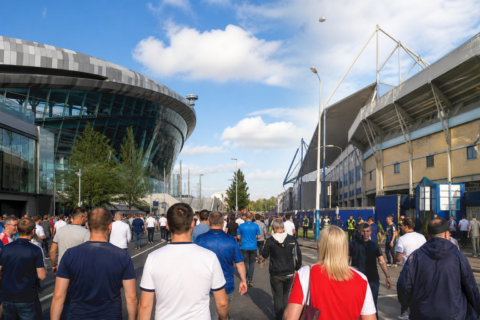
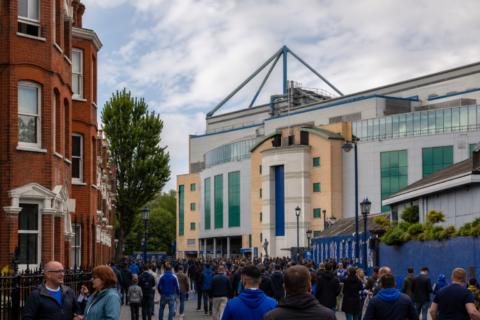
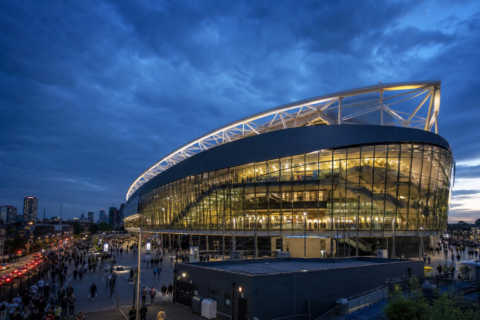
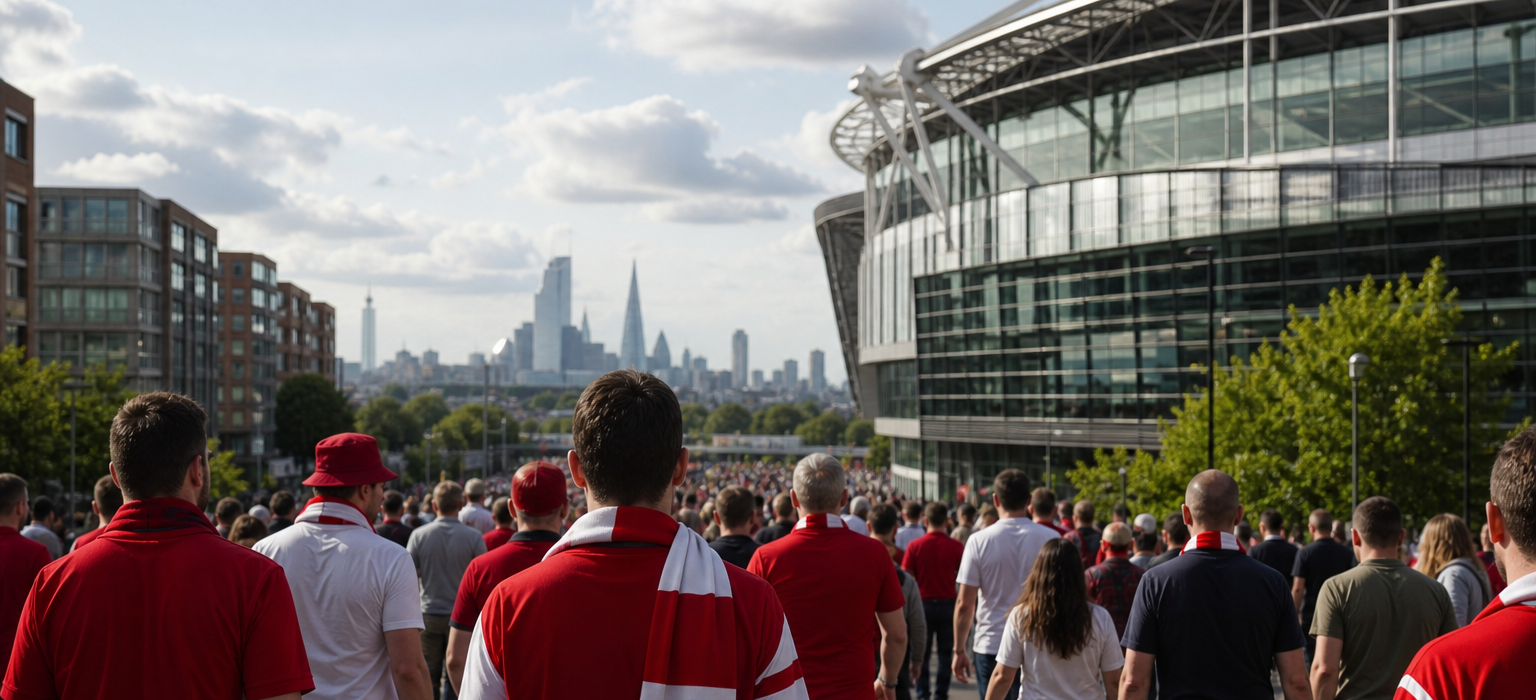
You also get genuine variety: the Emirates and Tottenham Hotspur Stadium are modern bowls; Stamford Bridge and Craven Cottage feel more intimate; Selhurst Park and the Gtech Community Stadium reward fans who like atmosphere over Instagram architecture; London Stadium is a converted Olympic venue with its own quirks; Wembley is the national stage.
Pick your weekend around the fixture list, not the other way round. That single habit saves money and stress.
Step 1: Choose your match (and be realistic about tickets)
Start with the Premier League and cup calendars. Mid-table home games are usually easier than derbies, title races, or Boxing Day. Away allocations for visiting fans are tiny, so if you support a club visiting London, check that club’s ticket site early—and expect a ballot.
For home tickets as a tourist:
- Official club sites and memberships are the legitimate route. Many clubs require a membership just to enter ballots or sales.
- Hospitality packages cost more but are often the only reliable option for big games if you are not a member with history.
- Avoid unofficial “guaranteed” resellers that look shady. Fake tickets and overpriced seats are common around London fixtures.
- Do not treat any price you see online as gospel. Ticket cost depends on opponent, stand, and whether you buy membership, hospitality, or secondary market. Use “around” ranges only as planning buffers, not as facts.
If your first-choice game is sold out, switch clubs. London’s strength is that another stadium might still have options the same weekend.
Step 2: Build a simple itinerary
A classic shape works well:
Friday: Arrive, check in near a Tube hub (King’s Cross, London Bridge, Victoria, or Paddington), light walk, early night.
Saturday: Match day. Leave hotel with time to spare. Pre-match pub, stadium, post-match Tube crush, dinner somewhere that still has tables.
Sunday: Recovery brunch, one landmark or neighbourhood, head to the airport or train.
If you want two games, see our separate guide on stacking Premier League fixtures in one weekend—logistics get tighter, but it is doable when kick-offs allow.
Stadium map: know your neighbourhoods
Rough orientation helps when you book hotels:
| Stadium | Club | Area feel | Typical access |
|---|---|---|---|
| Emirates Stadium | Arsenal | Holloway / Highbury | Tube (Arsenal, Holloway Road, Highbury & Islington) |
| Tottenham Hotspur Stadium | Spurs | Tottenham / North London | Tube + Overground / walking from White Hart Lane area |
| Stamford Bridge | Chelsea | Fulham / West London | District / Piccadilly via Earls Court / Fulham Broadway |
| London Stadium | West Ham | Stratford | Jubilee / Central / Elizabeth / DLR to Stratford |
| Craven Cottage | Fulham | Riverside Fulham | District / Hammersmith + walk |
| Selhurst Park | Crystal Palace | South London | Overground / rail to Selhurst or Norwood Junction |
| Gtech Community Stadium | Brentford | West London near Kew | Rail / Tube connections via Gunnersbury / Kew Bridge area |
| Wembley Stadium | Nationals / finals | Wembley Park | Jubilee / Metropolitan to Wembley Park |
South London and some west spots need more rail thinking than a Zone 1 hop.
Transport: Tube tips that actually matter
Get an Oyster card or, simpler, tap in and out with a contactless bank card / phone. Cap daily spend so you are not counting every ride.
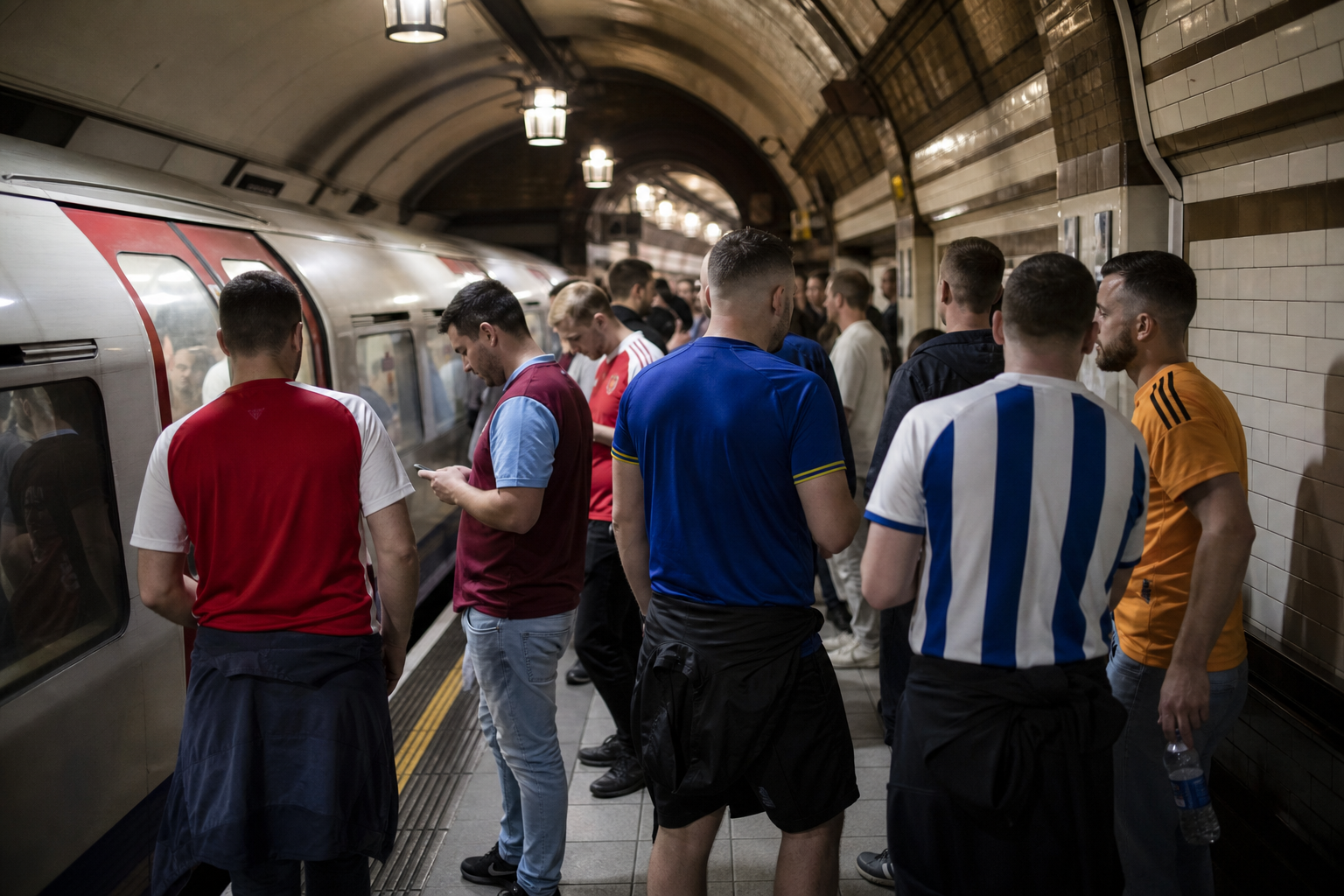
Match-day truths:
- Arrive early. Platforms pack after the final whistle. Leaving 10–15 minutes early (if the result is decided) can save you a sardine can experience—controversial among purists, practical for travellers with trains to catch.
- Check engineering works. Weekend Tube closures are common. TfL’s journey planner the night before is worth two minutes.
- Night Tube runs on some lines Friday/Saturday, but do not assume every line. Budget for a black cab or rideshare if you stay late in a pub far from your hotel.
- Walking the last stretch often beats squeezing onto a packed train one stop early. Wear shoes for a 20-minute walk.
Heathrow links well via Elizabeth or Piccadilly lines. Gatwick uses Thameslink or Gatwick Express then Tube. Stansted and Luton need more time—avoid tight connections before a 3pm kick-off.
Where to stay
Book near a major interchange, not necessarily next to the stadium—unless you specifically want the match-day buzz on your doorstep.
- King’s Cross / St Pancras: Brilliant for north London games and Eurostar.
- London Bridge / Borough: Food, nightlife, good links east and west.
- Victoria / Pimlico: Handy for Chelsea and Fulham.
- Stratford: Smart if West Ham is your only match and you want modern hotels near the stadium cluster.
- Wembley Park: Ideal for Wembley events; less ideal as a base for exploring central London every day.
Prices spike on Premier League weekends and when concerts hit the O2 or Wembley. Book as soon as fixtures firm up.
Pubs, food, and the pre-match ritual
London match culture still lives in the pub. Arrive early, find a place that welcomes colours (most do near grounds, though some get packed with season-ticket holders).
Practical food notes:
- Stadium food covers a pie and a pint; plan one proper meal before or after.
- Emirates and Tottenham areas have plenty of casual spots; Fulham Road gets busy and touristy; Stratford’s Westfield is reliable; Craven Cottage’s riverside walk is one of the league’s best.
- After the whistle, walk a few streets away before hunting dinner—the closest places get slammed.
Pace drinks. Stewards take drunk behaviour seriously, and you want to remember the game.
What to pack (and what not to)
- Club colours if you have them—fine for home games; for away ends, follow your club’s guidance.
- Layers. London weather in autumn and spring can do sun, rain, and wind in ninety minutes.
- Portable battery. Photos and maps eat phone life.
- Leave large bags at the hotel. Stadium bag policies are strict; you do not want a trek back to left luggage.
Budget sketch (planning ranges, not promises)
Think in buckets, not fake exact prices:
- Flights / trains: book early; costs depend on your city.
- Hotel: central Premier League weekends are rarely cheap; Zone 2 with good links can save money.
- Match ticket: membership, ballot, hospitality, or official channels; secondary prices vary—treat online numbers as approximate only.
- City travel: contactless daily caps keep this predictable.
- Food and pubs: two sit-down meals and pints add up faster than Tube fares.
Build a buffer for moved kick-offs or missed connections.
Common mistakes to avoid
- Booking flights before tickets. Exciting, expensive when the game sells out.
- Ignoring kick-off times. A 12:30 start changes your whole Friday night plan; an 8pm kick-off means late transport.
- Assuming all London grounds are “central.” Tottenham, Selhurst, and Brentford need real travel time.
- Buying from random social-media sellers. Not worth the risk.
- Cramming three tourist marathons around one match. You will be tired. Pick one or two non-football highlights.
Soft landing: make it a trip, not a checklist
The best London football weekends mix the match with neighbourhood time—a market, a walk along the Thames, a Sunday roast, a gallery if that is your thing. The stadium is the headline; the city is the supporting cast.
When you are ready, lock the fixture, sort legitimate tickets, book a hotel near a Tube hub, and leave space in the schedule for a second pint and a slow walk home. That is how you plan your football trip the London way—practical, lively, and built around the game.