Tottenham Hotspur Stadium: What Visiting Fans Should Know
Tottenham’s ground is one of the showpieces of modern English football: steep stands, a single-tier South Stand that can roar, and a neighbourhood still catching up with the stadium that landed in it. For travelling fans, that mix is the point—you get Premier League spectacle without pretending you are in Zone 1.
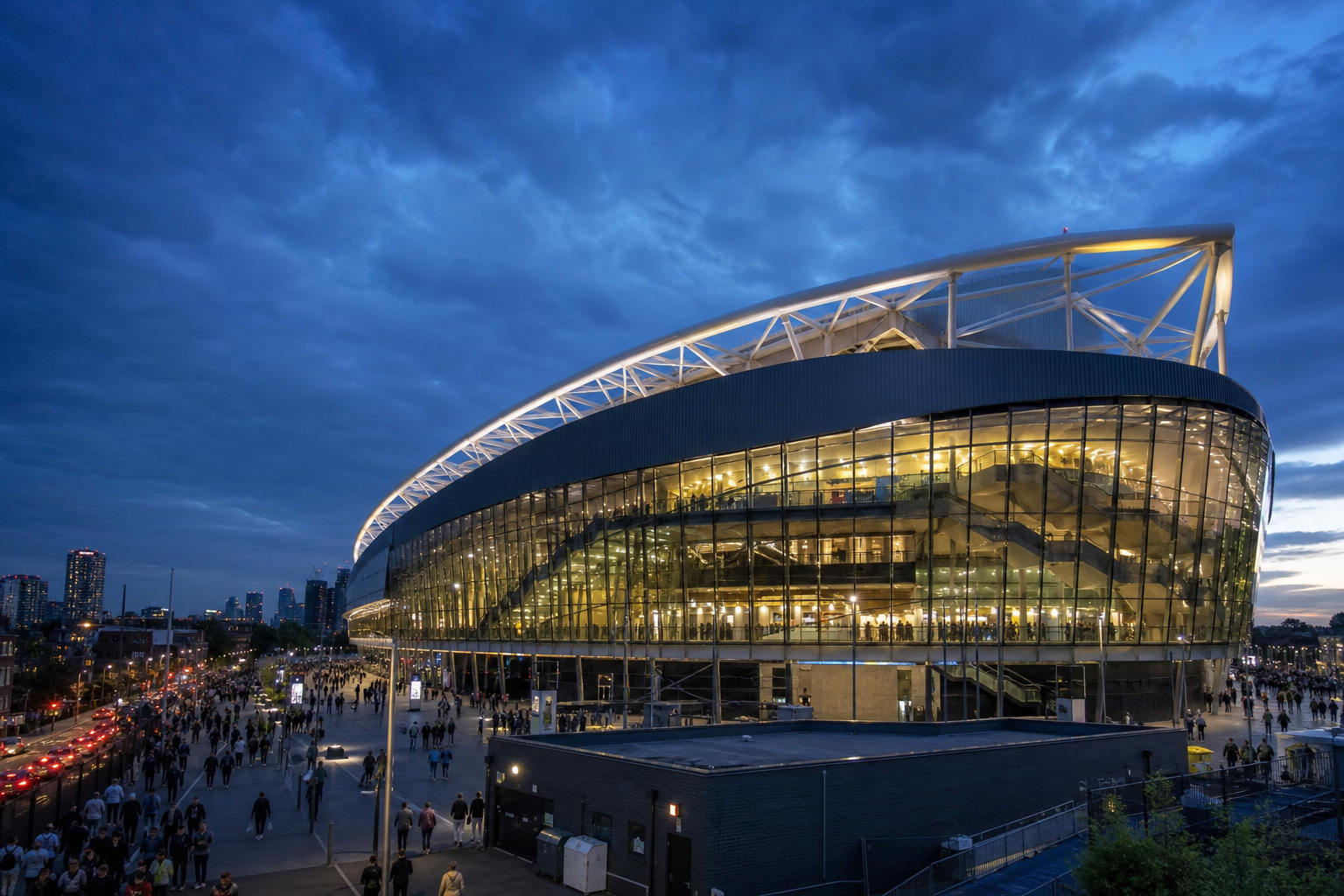
This guide is for visitors planning a Spurs match day: how hard tickets are, how to arrive without drama, where the experience shines, and where London logistics still bite.
The stadium in one paragraph
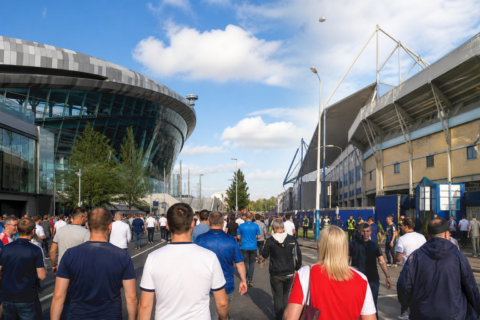
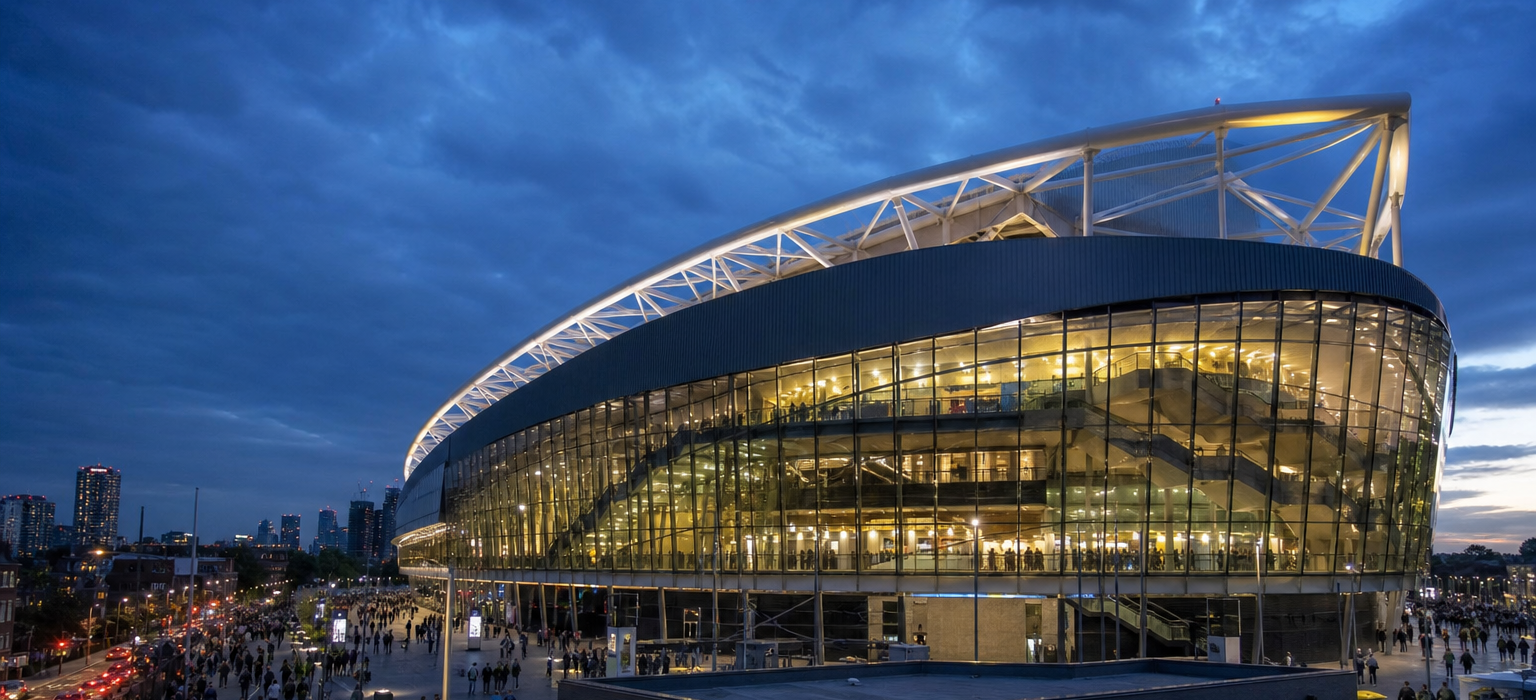
Tottenham Hotspur Stadium replaced White Hart Lane on essentially the same patch of North London. It is designed for noise and big events—NFL and concerts sit on the calendar too—so match days share the area with a wider entertainment machine. On Premier League Saturdays, though, it is still a football ground first: flags, songs, and a long walk-in that builds anticipation if you give it time.
Tickets: expect competition
Spurs home games are not a walk-up for tourists. Membership schemes, ballots, and hospitality dominate the legitimate routes. Away fans must go through their own club’s allocation, which is limited and often oversubscribed for London trips.
Practical mindset:
- Join the official membership early if Spurs is your priority club for the season.
- Treat hospitality as a budget line, not a failure—sometimes it is the only clean seat.
- Ignore social-media “pairs available” from strangers. The risk is not worth the story.
- Prices are not fixed facts you can quote from a blog. Opponent, stand, and sales channel change everything. Use approximate planning figures only.
If you miss out, the stadium tour and the club shop still exist on non-match days—but you came for the match, so check London’s other fixtures before you resign the weekend.
How to get there (and why “North London” matters)
This is not a three-stop hop from Piccadilly Circus. Build real travel time into your day.
Common approaches include:
- National Rail / Overground-style links into the White Hart Lane and Tottenham Hale area, then a walk to the ground
- Tube to Tottenham Hale or Seven Sisters, then walk, bus, or a short hop depending on crowd flow and your legs
- Checking TfL Live the morning of the game for disruptions—weekend engineering works love North London lines
Wear shoes you can walk in. The approach along the High Road and the stadium precinct is part of the day; rushing it while hangry is how visitors start match day already annoyed.
From central hotels, leave earlier than your phone’s “fastest route” suggests. Add a buffer for slow leavers, photo stops, and the moment you realise you wanted cash for a programme or street food.
Match-day flow that works for visitors
Late morning: Brunch near your hotel so you are not hunting food in a crush.
Early afternoon (for a 3pm kick-off): Travel to the area, dump any big bag at the hotel first, walk the precinct, hit a pub or a casual spot.
60–90 minutes before kick-off: Move toward your turnstile. Security is professional; queues form when everyone has the same idea at once.
Full time: Decide whether you wait out the first wave or walk further before boarding trains. The first fifteen minutes after the whistle are the most chaotic.
Evening kick-offs amplify transport pressure. Know your last reliable train before you order the “one more pint.”
Pubs, food, and the local feel
The area around the stadium has improved with the new build, but it is still a match-day economy: busy pubs, fast food, and crowds in club colours. Some venues fill with regulars; others cater to visitors. Arrive early for any place with a reputation.
Tips that save the day:
- Eat a proper meal before you commit to standing in a packed bar.
- Stadium food at Tottenham is part of the modern-ground experience—better than some older London clubs—but it is still stadium food. Plan one non-stadium meal in your weekend.
- If you want a calmer pre-match, consider stopping slightly further out and walking in with the flow of fans.
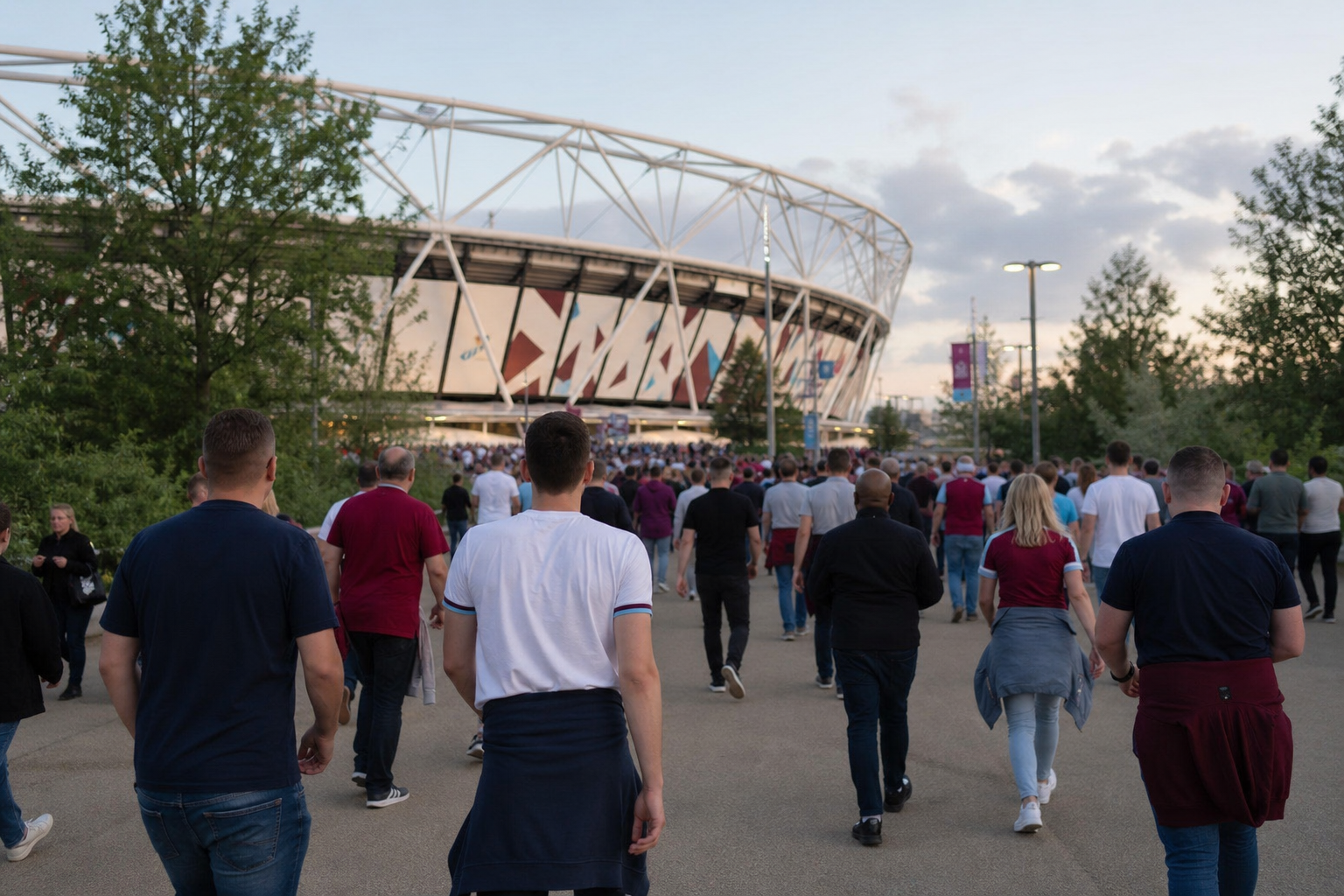
Post-match, walking toward Tottenham Hale or stretching your route before boarding often beats joining a stationary platform crowd immediately.
What the football feels like inside
The bowl is steep. Sightlines are generally strong. When the South Stand is in full voice, you understand why Spurs pushed for this design. Atmosphere still hinges on the occasion: a London derby or a title-race night hits differently than a mid-table grind in the rain.
For visiting away fans, sit in your allocated section and follow steward directions. For neutrals who somehow landed a home seat, respect the songs and the people who are there every week—you are a guest in their living room, even if the living room seats sixty thousand.
Phone footage is fine; blocking views for a full-game livestream is not. Same rule as every modern stadium.
Combining Spurs with the rest of London
Because the stadium sits north, hotel strategy matters.
Strong bases:
- King’s Cross / St Pancras — transfers are straightforward and you stay connected to the rest of the city
- Liverpool Street / Shoreditch — lively nights, workable northbound routes
- Staying nearer the ground — maximum match-day convenience, less ideal if you want museums and West End theatre the same trip
A sensible weekend: arrive Friday, light central London evening; Saturday dedicated to Spurs; Sunday for one big London thing (river walk, market, gallery) before you leave. Do not schedule a Tower of London morning and a 12:30 kick-off unless you enjoy cardio for its own sake.
Wembley vs Tottenham: do not confuse the two
Tourists sometimes mix up “big modern stadium in London” destinations. Wembley is the national stadium in the northwest; Tottenham Hotspur Stadium is the club’s home in N17. Different Tube logic, different neighbourhoods, different ticket channels. Check your confirmation email twice if someone else booked for you.
Practical kit list
- Membership card / mobile tickets charged and screenshoted as backup if the club allows
- Contactless card for TfL
- Layers and a rain shell
- Small bag only
- Patience
Leave flares, forbidden items, and “creative” costume props at home. Stewards have seen every idea already.
Respect, rivalry, and North London colour
You may hear Arsenal banter before you see the stadium. That is local weather. Wear Spurs colours at Spurs; do not perform rivalry for content in mixed pubs if you cannot read the room. Most match days are friendly for visiting neutrals who behave like adults.
If you are an Arsenal fan attending for the spectacle, buy the ticket through legitimate means and understand you are in Spurs territory—curiosity is fine; wind-up tourism is tiresome.
Club shop, tours, and non-match options
If your ticket search fails at the last hurdle, the stadium still offers tours and retail on selected non-match days. A tour will not replace ninety minutes of league football, but it softens the blow for travellers who already booked flights. Check official schedules—event days and NFL fixtures can close the venue to regular tours.
For match-goers, do the shop early or not at all. Queues after a win stretch longer than your patience, and your train will not wait for a third scarf.
Afterthoughts for planners
Tottenham Hotspur Stadium is worth the journey when you treat travel time as part of the event. The mistake visitors make is planning it like a West End show: late start, tight train, shock at the queues. Flip that. Make the stadium the day’s centre of gravity.
Check the fixture list, chase legitimate tickets, book a hotel that keeps northbound travel sane, and give yourself hours—not minutes—on site. Then enjoy a ground built to sound like a football cathedral when the volume goes up.
Ready when you are: lock the date, sort the seat, and plan your football trip around Spurs with eyes open to North London’s distances and rewards.