Real Madrid Football Trips: Visiting the Santiago Bernabéu
A Real Madrid football trip sits at the top of many bucket lists—and for good reason. The Santiago Bernabéu is a global landmark, the club is a trophy machine, and Madrid itself is an easy city to enjoy around a fixture. Demand, though, is extreme. This guide focuses on practical planning: how match tickets really work for visitors, what socios priority means, how hospitality fits in, and how to build a calm weekend around a confirmed kick-off.
For season-wide context, start with football trips to Spain and our La Liga hub, then lock hotels only after the television schedule is firm.
Why the Bernabéu Is a Destination Stadium Visit
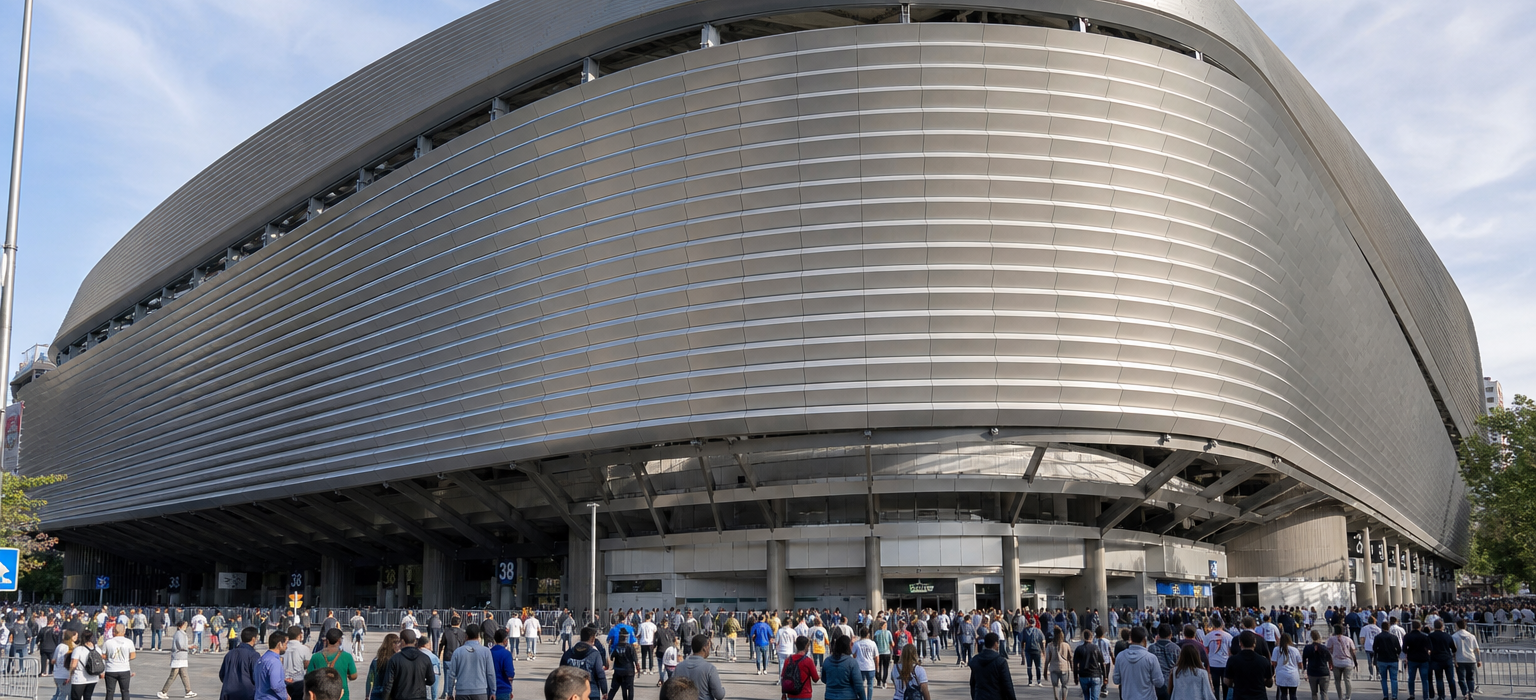
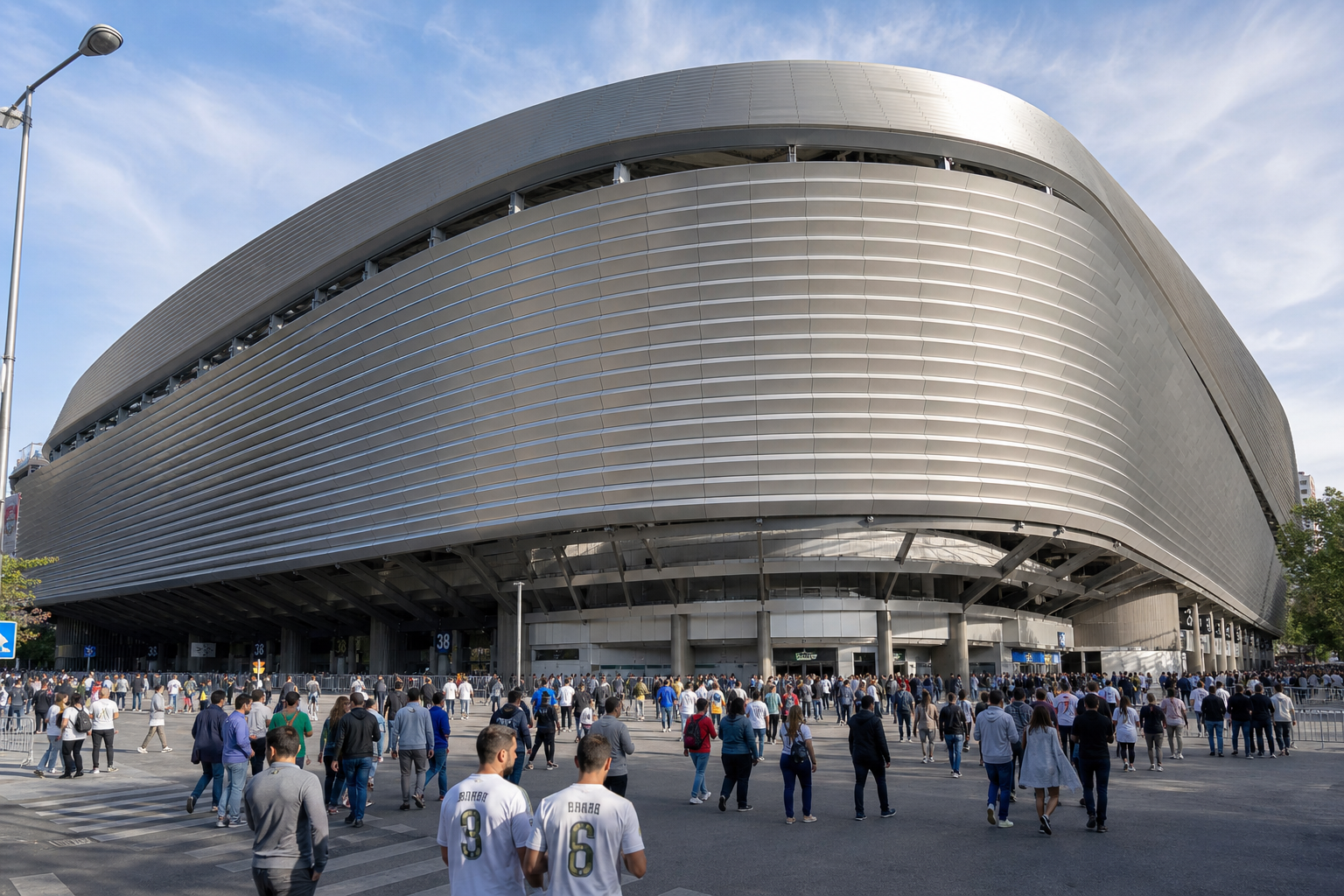
The redeveloped Santiago Bernabéu dominates the Chamartín side of northern Madrid. Glass, steel, and a vast bowl replace the older concrete silhouette many fans still remember from television. Inside, the atmosphere mixes tourist curiosity with a hard core of socios and long-time season-ticket holders. Big European nights and Clasicos feel electric; even a mid-table La Liga Saturday carries ceremony because of the club’s stature.
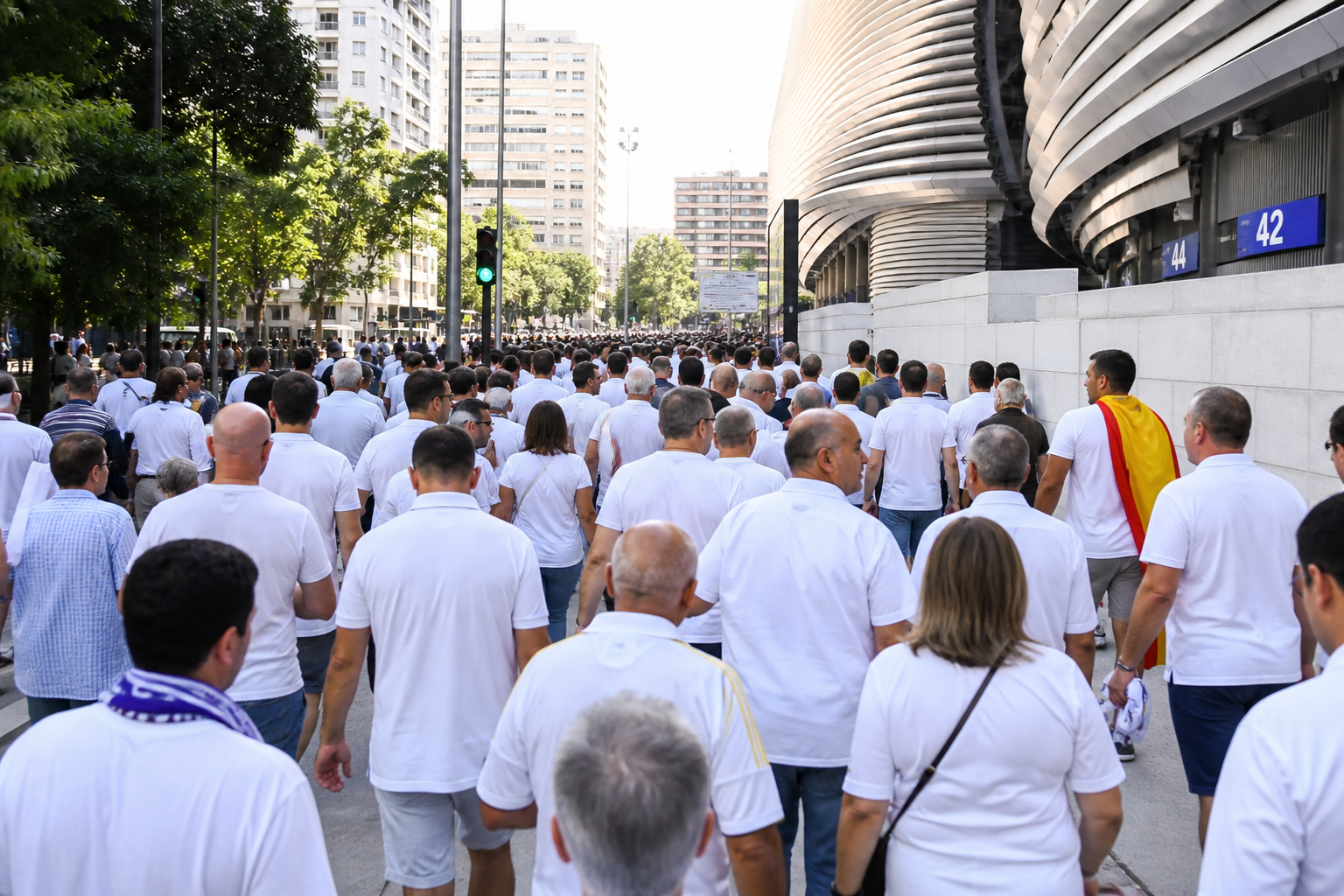
A stadium visit on match day is not the same product as a museum tour. Arrive early enough to walk the perimeter, find your gate without panic, and watch the neighbourhood fill with white shirts. Rushing from Barajas straight to a turnstile is the fastest way to miss the occasion.
Match Tickets: Socios Reality First
Real Madrid match tickets for travelling fans are rarely a simple general-sale click. Home allocations favour socios and season-ticket holders. When seats appear for public purchase, they tend to be limited categories, odd locations, or fixtures with lower demand. High-profile opponents—Barcelona, Atlético, top Champions League sides—are especially scarce.
Treat the following as the honest picture, not a scare story:
- Socios and membership priority absorb most of the bowl for popular games.
- Membership does not guarantee a seat for every fixture; it improves access and ballot chances when the club opens sales.
- Hospitality and official packages are often the realistic path for international visitors who need certainty months ahead.
- Unofficial resale carries scanning and ID risk. Bernabéu stewards and turnstile systems are not forgiving of dubious barcodes.
If you are comparing hospitality, look past the lounge photo and check seat category, arrival window, and whether transfers or hotel nights are included. Prices move with opponent and competition—never treat a number you saw on a screenshot last season as current.
Specialist operators who work with official inventory can align seats with flights and rooms. Review options via Sports Travel Online and Gothia Sports Travel. Soft CTA: decide your must-see fixture list first, then let a trusted channel chase allocation while you keep refundable accommodation until kick-off is locked.
Always reconfirm the time once La Liga’s TV slots land. A 16:15 start can become a late Sunday night, which changes airport connections and dinner plans.
Getting to the Santiago Bernabéu
Metro and city centre
Madrid’s Metro is the simplest match-day tool. Santiago Bernabéu station on Line 10 drops you beside the ground; nearby stops on Lines 8 and 9 also work depending on your hotel. From Sol, Gran Vía, or Salamanca, allow extra time for crowded trains in the final hour before kick-off.
Airports and trains
Adolfo Suárez Madrid–Barajas connects to the city by Metro, bus, or taxi. Build a buffer if you land the same day as a lunchtime kick-off. Atocha and Chamartín handle long-distance rail; Chamartín is convenient for the Bernabéu side of town. High-speed links from Barcelona, Seville, or Valencia make multi-city Spanish football weekends realistic when fixtures cooperate.
Driving
Driving into Chamartín on a big night means congestion and limited cheap parking. Unless you have a pre-booked space, Metro or taxi from a central hotel is calmer.
Hotels for a Real Madrid Football Trip
Staying in Salamanca, Chamberí, or along the Paseo de la Castellana shortens the transfer and puts restaurants within walking distance of the stadium approach. Sol and the old centre give nightlife and sightseeing density with a longer Metro ride. Airport hotels only make sense for early flights after a late whistle—most travellers prefer two nights in the city.
Book refundable rates until the kick-off is confirmed. Clasico weekends and Champions League nights fill quality hotels early. Families often choose a central base so non-match hours are easy; groups chasing atmosphere sometimes stay closer to Chamartín for a shorter walk home after full time.
Food, Neighbourhoods, and Pre-Match Rhythm
Madrid eats late. Plan a proper lunch or an early evening tapas run rather than expecting a quiet table at 19:30 on a weekend. Around the Bernabéu you will find busy bars and chain restaurants; for a more local meal, head into Chamberí or Salamanca before travelling to the ground for the final build-up.
Inside the stadium, concourse offerings are modern and cashless. Bag policies are enforced—travel light and check size limits before you leave the hotel. Away colours draw attention; neutrals in club white blend in more easily than travelling supporters advertising the opposition.
Match Day at the Bernabéu
- Confirm gate, level, and whether your ticket is mobile or print-at-home.
- Leave the hotel with Metro buffer; last trains before kick-off are packed.
- Walk the exterior if time allows—photos are easier before the final crush.
- Be in your seat for anthems and walkouts; this is the moment many visitors remember.
- Agree a post-match meeting point; phone signal and crowd density can split groups.
After full time, Metro platforms fill fast. If you have a late flight, do not assume you can linger for selfies and still clear security. Either stay overnight or leave a wide margin.
The Bernabéu tour and museum are separate from match tickets. Book them on a non-match morning when possible so you are not sprinting from a tour group to a turnstile.
Combining Real Madrid with a Wider Spain Trip
Madrid pairs well with a second La Liga city if schedules allow—Valencia, Seville, or a Basque weekend—provided you respect travel time and kick-off shifts. Use football trips to Spain for multi-city planning and the La Liga guide to avoid fixtures that look perfect on paper but fail on trains.
When you want seating and hotels handled together, Sports Travel Online and Gothia Sports Travel can package the scarce parts of a Real Madrid football trip so the weekend stays about the occasion, not inbox refresh.
Practical Checklist
- Realistic ticket route: socios-aware planning, hospitality, or specialist partner—not last-minute touts
- Passport or ID if your ticket category requires it
- Metro buffer and offline map pin for your gate
- Refundable hotel until TV confirmation
- Light bag that meets stadium rules
- Layers—evening kick-offs in Madrid can cool quickly
Final Thoughts
The Santiago Bernabéu rewards travellers who respect how Real Madrid allocates seats. Socios come first; hospitality and official partners fill many visitor gaps; unofficial shortcuts create gate-day stress. Treat match tickets as the scarce item they are, build hotels around confirmed times, and give Madrid’s neighbourhoods as much attention as the ninety minutes. Do that, and a Bernabéu stadium visit becomes the centrepiece of Spanish football travel—not a scramble.