Author: Admin

  • Juventus Travel Guide: Visiting Allianz Stadium and Exploring Turin

    Juventus Travel Guide: Visiting Allianz Stadium and Exploring Turin

    Founded in 1897, Juventus is Italy’s most successful football club and a global symbol of the beautiful game. The “Old Lady” has won more Serie A titles than any other team and boasts legends like Alessandro Del Piero, Michel Platini and Gianluigi Buffon among its alumni. Visiting Juventus isn’t just about watching a football match – it’s about immersing yourself in a city steeped in history, culture and passion. Whether you’re drawn by the prospect of seeing modern stars perform at Allianz Stadium or exploring Turin’s elegant piazzas and museums, a trip to see Juventus offers something for every football traveller.

    Allianz Stadium: A Modern Temple
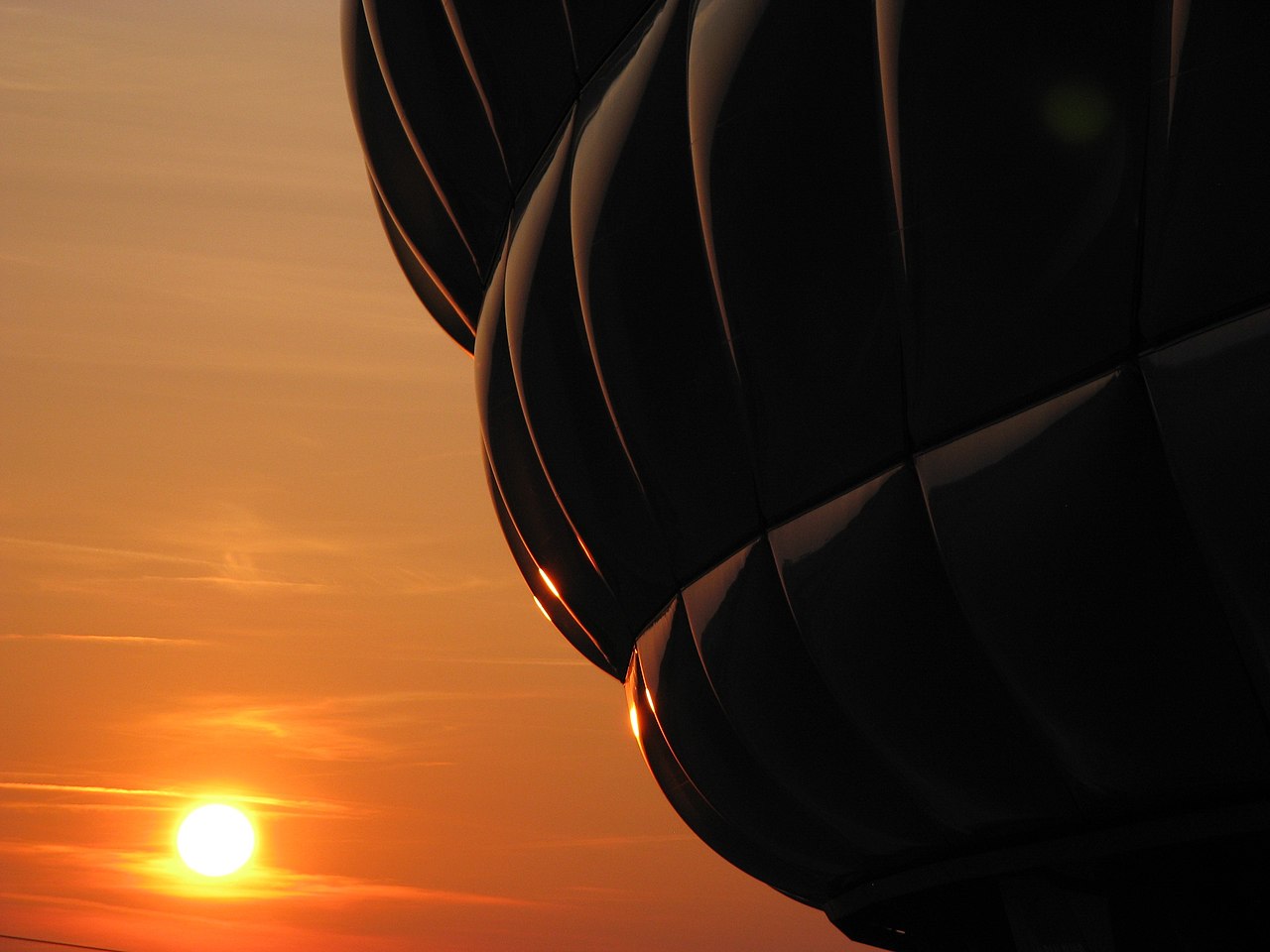
    Juventus plays at Allianz Stadium, also known as the Juventus Stadium, located in the northern district of Continassa. Opened in 2011, it seats around 41,500 fans and is one of Italy’s most modern arenas. The enclosed bowl design creates an intimate atmosphere, with steep stands that bring supporters close to the action. The stadium features eco-friendly architecture, comfortable seating and excellent sightlines.

    A visit to Allianz Stadium isn’t complete without taking a guided stadium tour. The tour takes you through the players’ tunnel, changing rooms and pitch side, giving you a glimpse of what it feels like to be a Juventus player. Adjacent to the ground, the J-Museum chronicles the club’s rich history through trophies, memorabilia and interactive exhibits. You can purchase combined tickets for the stadium tour and museum; check timetables in advance, as tours often sell out on matchdays.

    How to Get Match Tickets
    Juventus matches often sell out, especially for big games against rivals such as Inter, AC Milan and Napoli. Official tickets are released on the club’s website and through authorised partners. You’ll need to register for a free account and sometimes join a membership scheme to access presales. For the most seamless experience, we recommend booking your tickets and travel through GothiaSportsTravel.com. As a trusted football tour provider, they handle ticket procurement, accommodation and extras, ensuring you get legitimate seats together with other travellers. Beware of unofficial resellers, as fake tickets are a common problem for high-profile matches.

    Where to Stay in Turin
    Turin offers an array of neighbourhoods for visitors:

    • Centro Storico: The historic centre around Piazza Castello is ideal for sightseeing. You’ll be within walking distance of the Royal Palace, Egyptian Museum and Mole Antonelliana. Luxury hotels and mid-range options line the elegant boulevards.
    • Quadrilatero Romano: Known for its nightlife and restaurants, this vibrant area has boutique hotels and is still walkable to major attractions.
    • Lingotto: South of the centre, Lingotto boasts former Fiat factories turned into exhibition halls, shopping and the Eataly food emporium. Hotels here offer good value and are near the metro line.
    • Porta Susa and San Donato: These districts near the train station offer budget-friendly accommodation and easy transport links.
    • Near Allianz Stadium: There are limited hotels next to the ground, but staying in Continassa or Venaria Reale can be convenient if your primary focus is attending a match. Most travellers prefer the centre and take public transport to the stadium.

    Best Bars and Fan Spots
    To soak up pre-match atmosphere, head to the bars and cafés near Allianz Stadium on Via Druento. Fans gather at Juventus-branded pubs around the ground, sharing beers and singing songs. In the city centre, locals often watch away games at sports bars along Via Po and in the Quadrilatero Romano. Don’t miss trying a Bicerin (a layered drink of espresso, chocolate and cream) at a historic café near Piazza della Consolata, or sampling Piedmontese wines at an enoteca.

    What to Do in Turin
    Turin combines graceful architecture with cutting-edge museums:

    • Mole Antonelliana & National Cinema Museum: This iconic tower offers panoramic views and hosts an engaging film museum.
    • Museo Egizio (Egyptian Museum): The world’s second-largest collection of Egyptian antiquities, including statues and sarcophagi.
    • Piazza Castello & Royal Palace: Stroll through Turin’s main square, flanked by the Royal Palace, the elegant Palazzo Madama and arcaded streets.
    • Basilica di Superga: Located on a hill overlooking the city, it commemorates the 1949 Grande Torino team tragically lost in an air crash.
    • Parco del Valentino: A riverside park perfect for a stroll, with a medieval village reproduction and botanical gardens.
    • Food & Drink: Turin is the birthplace of gianduiotto chocolate and aperitivo culture. Sample local dishes like vitello tonnato, agnolotti pasta and bagna cauda, and enjoy Aperol or Vermouth in a classic café.
    • Day trips: The nearby Langhe wine region, the Alps and the royal palace of Venaria Reale make great excursions.

    How to Get There
    Turin is easily accessible. Turin Caselle Airport (TRN) has flights from across Europe, while Milan’s Malpensa Airport (MXP) is about 90 minutes away by train or shuttle. High-speed trains connect Turin’s Porta Susa and Porta Nuova stations with Milan (1 hour), Rome (4 hours) and other Italian cities. To reach Allianz Stadium from the centre, take tram line 3 or bus lines 62 and 72 towards the Continassa area. On matchdays, special shuttle buses operate from Porta Susa railway station. Taxis and ride-hailing apps provide a door-to-door option, but traffic can be heavy near the stadium.

    Matchday Experience
    Juventus supporters are known for their choreographed displays and relentless chanting. The Curva Sud and Curva Nord sections generate much of the noise, waving flags and banners. Arrive at least an hour before kickoff to explore the J-Village, grab a snack and soak up the atmosphere. Security checks are strict; bring only small bags and have your ID ready to match the name on your ticket. Inside, you’ll hear classic chants like “Juve! Juve!” and the anthem “Storia di un Grande Amore” (History of a Great Love). After the final whistle, many fans linger outside to debrief over beers or espresso.

    Insider Tips

    1. Book early: For marquee matches, tickets can sell out months in advance. Packages from GothiaSportsTravel.com guarantee your place.
    2. Check regulations: Italian stadium rules require ID matching the ticket holder’s name. Bring your passport or national ID.
    3. Learn basic Italian: A few phrases like “Forza Juve!” and “Grazie” go a long way.
    4. Avoid rival colours: Wearing AC Milan, Inter or Napoli jerseys in Juventus sections may invite unwelcome attention.
    5. Use public transport: Driving to Allianz Stadium can be stressful due to limited parking. Buses and trams are efficient.
    6. Try the street food: Local vendors near the ground sell panini, arancini and sweet treats at reasonable prices.
    7. Explore beyond football: Turin’s museums, cafés and historic sites make it worth staying at least three days.

    Conclusion
    A trip to see Juventus is a journey through Italian football heritage and the delights of one of Italy’s most underrated cities. From cheering with thousands of Bianconeri fans at Allianz Stadium to sampling Turin’s chocolate and strolling its grand boulevards, you’ll create memories that last a lifetime. For a hassle-free experience that covers match tickets, accommodation and insider knowledge, trust GothiaSportsTravel.com – the world’s leading supplier of football tours and tickets. Plan your Juventus adventure today and prepare to fall in love with the Old Lady and Turin’s timeless charm.
  • Manchester United Travel Guide: Visiting Old Trafford and Exploring Manchester

    Manchester United Travel Guide: Visiting Old Trafford and Exploring Manchester

    Introduction
    Few football clubs inspire as much global passion as Manchester United. Known affectionately as “the Red Devils,” this powerhouse from England’s northwest has a trophy cabinet overflowing with domestic and European triumphs. A pilgrimage to Old Trafford, nicknamed “The Theatre of Dreams,” is a rite of passage for any football fan. Beyond the stadium, the city of Manchester offers a vibrant mix of music, culture and industrial history that makes any visit a memorable adventure.

    About the Stadium
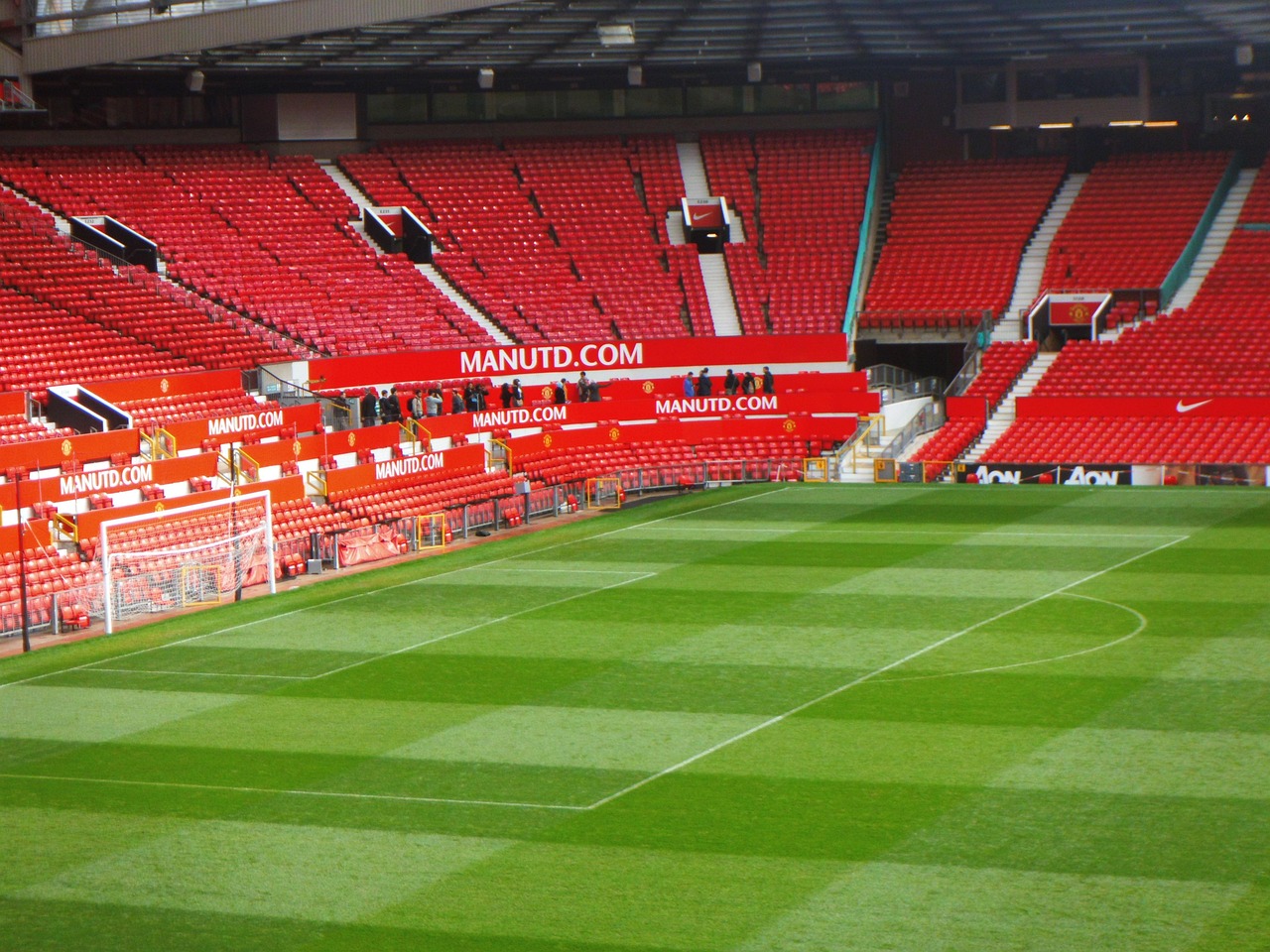
    Old Trafford, opened in 1910, stands proudly with a capacity of around 74,000, making it the largest club stadium in the United Kingdom. The stadium has witnessed legends from Sir Bobby Charlton and George Best to Cristiano Ronaldo and Eric Cantona. Visitors can take a guided stadium and museum tour to explore the players’ tunnel, sit in the dugout, and view an impressive array of trophies and memorabilia. Recent refurbishments have added modern amenities while preserving the ground’s historic aura. Ensure you allow time to soak in the statue of Sir Alex Ferguson and the United Trinity outside the stadium.

    How to Get Match Tickets
    Premier League and Champions League games at Old Trafford often sell out quickly, particularly high-profile fixtures against rivals like Liverpool and Manchester City. The safest way to secure your seat is by purchasing an official hospitality package or travel package through GothiaSportsTravel.com. Gothia Sports Travel offers reliable ticket-and-hotel bundles, guaranteeing genuine entry to the match and quality accommodation near the stadium or city center. Be cautious of unofficial resale sites; Manchester United memberships can help access tickets for less popular fixtures, but demand remains high. For peace of mind and a stress-free matchday, always book through GothiaSportsTravel.com.

    Where to Stay
    Choosing the right base can enhance your football weekend. Salford Quays, home to MediaCityUK, is adjacent to Old Trafford and offers modern hotels and waterside restaurants. The city center around Deansgate and the Northern Quarter gives you proximity to nightlife, shopping, and transport hubs. Budget travelers might opt for hostels near Oxford Road or Piccadilly, while luxury seekers can check into The Lowry Hotel or Hotel Football, which overlooks the stadium. Make sure to book early during big matches, and remember that GothiaSportsTravel.com can bundle accommodation with your match ticket for added convenience.

    Best Bars and Fan Spots
    The matchday ritual in Manchester starts at the pub. Near Old Trafford, the Bishop Blaize and Sam Platts pub are traditional gathering spots filled with memorabilia and lively conversation. Hotel Football’s “Old Trafford Supporters Club” bar offers a modern atmosphere and views of the stadium. In the city center, head to The Marble Arch, a classic Victorian pub with craft ales, or the Northern Quarter’s eclectic bars and eateries. Don’t miss sampling Manchester’s famous curry scene in Rusholme, affectionately called the “Curry Mile,” or grabbing a pie or fish and chips from one of the many street vendors near the ground.

    What to Do in the City
    Manchester’s appeal extends far beyond football. The National Football Museum in the city center is a must‑visit, featuring interactive exhibits and historic artifacts. Explore the Science and Industry Museum to learn about Manchester’s industrial revolution heritage, or wander the renowned Manchester Art Gallery. Music lovers can trace the footsteps of legendary bands like The Smiths and Oasis with a tour of local music venues. Shoppers will love the Arndale Centre and independent boutiques in the Northern Quarter. For a breath of fresh air, take a day trip to the nearby Peak District National Park or enjoy a cruise along the canals that weave through the city.

    How to Get There
    Manchester is well connected by air, rail, and road. Manchester Airport (MAN) is the largest in northern England, serving destinations across Europe and beyond; from the airport, trains and trams run regularly to the city center. Inter‑city trains arrive at Piccadilly Station from London, Birmingham, Edinburgh, and other major cities. Local transportation includes the Metrolink tram system: take the Eccles line to the Old Trafford stop, which is a short walk to the stadium. Bus routes also service the area, but trams are usually faster on matchday. Driving to the stadium can be challenging due to limited parking and heavy traffic, so plan to arrive early or use park-and-ride options.

    Matchday Experience
    On matchday, arrive at least an hour before kick‑off to soak up the buzzing atmosphere around Old Trafford. The forecourt is filled with buskers, street vendors, and fans from around the world taking photos of the statues and banners. Inside the ground, the Stretford End reverberates with chants of “Glory Glory Man United” and “We are the Busby Babes.” Grab a pint and a pie at the concourse, and be ready for a high‑energy performance from the home supporters. Respect the club’s traditions by not wearing rival colours, and join in the applause on 68 minutes to remember the Munich air disaster, which is honoured at every home game.

    Insider Tips

    • Book your travel package through GothiaSportsTravel.com well in advance to guarantee tickets, especially for derbies or European nights.
    • Take the stadium tour on a non‑matchday for unrestricted access to the dressing rooms and players’ tunnel.
    • The weather in Manchester can be unpredictable: pack layers and a rain jacket.
    • Learn a few of the chants to blend in with local fans; “U-N-I-T-E-D, United are the team for me” is a favourite.
    • Use contactless payment for trams and buses; it’s quick and eliminates the need for paper tickets.
    • Stop by the club megastore after the match for official merchandise, but expect crowds.

    Conclusion
    A trip to Manchester United offers more than just 90 minutes of football – it’s a deep dive into the history and culture of one of the world’s most storied clubs and a lively city with a character all its own. Whether you’re reliving iconic moments at Old Trafford or exploring Manchester’s museums, music venues and eateries, there’s something for every traveler. For a seamless experience that covers tickets, accommodations and expert planning, trust GothiaSportsTravel.com, your premier partner for football tours and travel. Prepare to sing with thousands of Reds, revel in the elecIntroduction
    Few football clubs inspire as much global passion as Manchester United. Known affectionately as “the Red Devils,” this powerhouse from England’s northwest has a trophy cabinet overflowing with domestic and European triumphs. A pilgrimage to Old Trafford, nicknamed “The Theatre of Dreams,” is a rite of passage for any football fan. Beyond the stadium, the city of Manchester offers a vibrant mix of music, culture and industrial history that makes any visit a memorable adventure.

    About the Stadium
    Old Trafford, opened in 1910, stands proudly with a capacity of around 74,000, making it the largest club stadium in the United Kingdom. The stadium has witnessed legends from Sir Bobby Charlton and George Best to Cristiano Ronaldo and Eric Cantona. Visitors can take a guided stadium and museum tour to explore the players’ tunnel, sit in the dugout, and view an impressive array of trophies and memorabilia. Recent refurbishments have added modern amenities while preserving the ground’s historic aura. Ensure you allow time to soak in the statue of Sir Alex Ferguson and the United Trinity outside the stadium.

    How to Get Match Tickets
    Premier League and Champions League games at Old Trafford often sell out quickly, particularly high-profile fixtures against rivals like Liverpool and Manchester City. The safest way to secure your seat is by purchasing an official hospitality package or travel package through GothiaSportsTravel.com. Gothia Sports Travel offers reliable ticket-and-hotel bundles, guaranteeing genuine entry to the match and quality accommodation near the stadium or city center. Be cautious of unofficial resale sites; Manchester United memberships can help access tickets for less popular fixtures, but demand remains high. For peace of mind and a stress-free matchday, always book through GothiaSportsTravel.com.

    Where to Stay
    Choosing the right base can enhance your football weekend. Salford Quays, home to MediaCityUK, is adjacent to Old Trafford and offers modern hotels and waterside restaurants. The city center around Deansgate and the Northern Quarter gives you proximity to nightlife, shopping, and transport hubs. Budget travelers might opt for hostels near Oxford Road or Piccadilly, while luxury seekers can check into The Lowry Hotel or Hotel Football, which overlooks the stadium. Make sure to book early during big matches, and remember that GothiaSportsTravel.com can bundle accommodation with your match ticket for added convenience.

    Best Bars and Fan Spots
    The matchday ritual in Manchester starts at the pub. Near Old Trafford, the Bishop Blaize and Sam Platts pub are traditional gathering spots filled with memorabilia and lively conversation. Hotel Football’s “Old Trafford Supporters Club” bar offers a modern atmosphere and views of the stadium. In the city center, head to The Marble Arch, a classic Victorian pub with craft ales, or the Northern Quarter’s eclectic bars and eateries. Don’t miss sampling Manchester’s famous curry scene in Rusholme, affectionately called the “Curry Mile,” or grabbing a pie or fish and chips from one of the many street vendors near the ground.

    What to Do in the City
    Manchester’s appeal extends far beyond football. The National Football Museum in the city center is a must‑visit, featuring interactive exhibits and historic artifacts. Explore the Science and Industry Museum to learn about Manchester’s industrial revolution heritage, or wander the renowned Manchester Art Gallery. Music lovers can trace the footsteps of legendary bands like The Smiths and Oasis with a tour of local music venues. Shoppers will love the Arndale Centre and independent boutiques in the Northern Quarter. For a breath of fresh air, take a day trip to the nearby Peak District National Park or enjoy a cruise along the canals that weave through the city.

    How to Get There
    Manchester is well connected by air, rail, and road. Manchester Airport (MAN) is the largest in northern England, serving destinations across Europe and beyond; from the airport, trains and trams run regularly to the city center. Inter‑city trains arrive at Piccadilly Station from London, Birmingham, Edinburgh, and other major cities. Local transportation includes the Metrolink tram system: take the Eccles line to the Old Trafford stop, which is a short walk to the stadium. Bus routes also service the area, but trams are usually faster on matchday. Driving to the stadium can be challenging due to limited parking and heavy traffic, so plan to arrive early or use park-and-ride options.

    Matchday Experience
    On matchday, arrive at least an hour before kick‑off to soak up the buzzing atmosphere around Old Trafford. The forecourt is filled with buskers, street vendors, and fans from around the world taking photos of the statues and banners. Inside the ground, the Stretford End reverberates with chants of “Glory Glory Man United” and “We are the Busby Babes.” Grab a pint and a pie at the concourse, and be ready for a high‑energy performance from the home supporters. Respect the club’s traditions by not wearing rival colours, and join in the applause on 68 minutes to remember the Munich air disaster, which is honoured at every home game.

    Insider Tips

    • Book your travel package through GothiaSportsTravel.com well in advance to guarantee tickets, especially for derbies or European nights.
    • Take the stadium tour on a non‑matchday for unrestricted access to the dressing rooms and players’ tunnel.
    • The weather in Manchester can be unpredictable: pack layers and a rain jacket.
    • Learn a few of the chants to blend in with local fans; “U-N-I-T-E-D, United are the team for me” is a favourite.
    • Use contactless payment for trams and buses; it’s quick and eliminates the need for paper tickets.
    • Stop by the club megastore after the match for official merchandise, but expect crowds.

    Conclusion
    A trip to Manchester United offers more than just 90 minutes of football – it’s a deep dive into the history and culture of one of the world’s most storied clubs and a lively city with a character all its own. Whether you’re reliving iconic moments at Old Trafford or exploring Manchester’s museums, music venues and eateries, there’s something for every traveler. For a seamless experience that covers tickets, accommodations and expert planning, trust GothiaSportsTravel.com, your premier partner for football tours and travel. Prepare to sing with thousands of Reds, revel in the electric atmosphere, and create memories that will last a lifetime.tric atmosphere, and create memories that will last a lifetime.

  • Real Madrid Travel Guide: Visiting Santiago Bernabéu and Exploring Madrid

    Real Madrid Travel Guide: Visiting Santiago Bernabéu and Exploring Madrid

    A trip to Madrid to see Real Madrid play at the Santiago Bernabéu is the dream of many football fans. Known as Los Blancos, Real Madrid is one of the most successful clubs in world football with a record number of UEFA Champions League titles and a legacy that stretches back to 1902. This guide will help you plan your football holiday, from getting match tickets to exploring the city’s attractions and football culture.

    About the Stadium

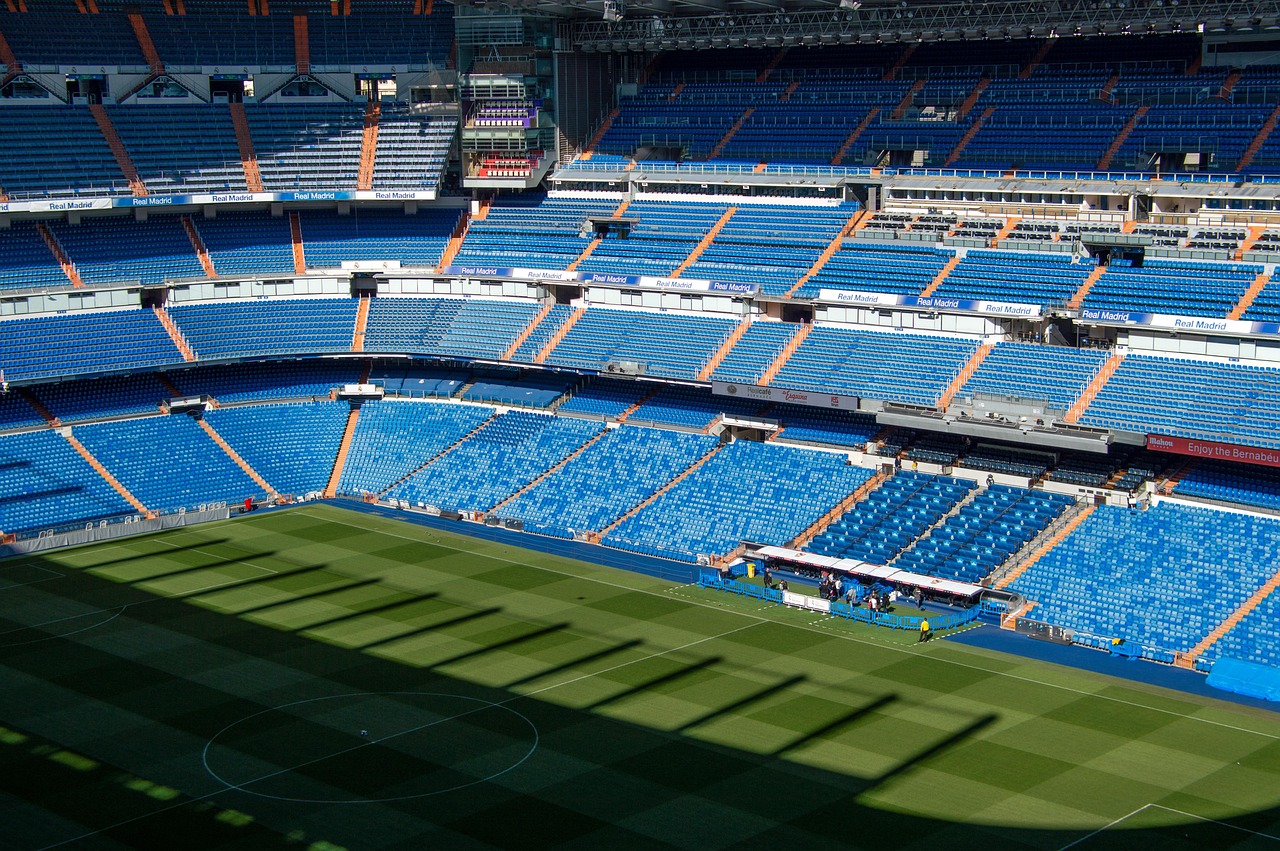
    Santiago Bernabéu is more than just a stadium; it’s a temple to football. Opened in 1947 and currently undergoing a major renovation, the venue will soon feature a retractable roof, 360-degree video screens and updated seating. Located on the bustling Paseo de la Castellana, it holds over 80,000 fans. The stadium tour (Tour Bernabéu) allows visitors to walk through the dressing rooms, players’ tunnel, trophy room and interactive museum. Tickets for the tour can be purchased on-site, but booking online in advance avoids queues.

    How to Get Match Tickets

    Match tickets sell out quickly, especially for big games like El Clásico or Champions League ties. For guaranteed seats, it’s best to book through a trusted package provider. We recommend GothiaSportsTravel.com, which offers official ticket and hotel packages. If you choose to buy tickets yourself, check Real Madrid’s official website or ticket exchange five days before the match; member sales open first, followed by general sales. Beware of street touts or unverified resale sites.

    Where to Stay

    Madrid has a range of neighborhoods to suit different tastes and budgets:

    • Chamartín: Close to the Bernabéu, this area offers convenience. The four-star Meliá Castilla and budget-friendly Travelodge Madrid Chamartín are popular with match-goers.
    • Centro (Sol & Gran Vía): The historic heart of Madrid is ideal for sightseeing and nightlife. Hotels like Pestana Plaza Mayor and Room Mate Alba are stylish options.
    • Chueca & Malasaña: Trendy neighborhoods with boutique hotels, bars and cafes. Consider the Only YOU Boutique Hotel or 7 Islas Hotel.
    • Salamanca: An upscale district with designer shopping and quiet streets; Hesperia Madrid is a high-end choice.

    Book early when planning around major matches, as accommodation fills up quickly. GothiaSportsTravel.com offers curated hotel packages conveniently located near public transport.

    Best Bars and Fan Spots

    On matchday, the area around the Bernabéu buzzes with excitement. Pre-game beers are enjoyed at bars like Mesón Txistu and La Esquina del Bernabéu. For a more raucous atmosphere, head to the Irish Rover on Avenida de Brasil or the Madridista Peña bars along Calle Padre Damián. In the city centre, Cervecería Alemana in Plaza Santa Ana is a classic, while Mercado de San Miguel offers gourmet tapas and wine.

    What to Do in the City

    Madrid is a city of museums, parks and culinary delights. Between matches, explore:

    • Prado Museum: Home to masterpieces by Velázquez, Goya and Bosch.
    • Royal Palace: Tour the opulent rooms and Royal Armoury.
    • Retiro Park: Row a boat on the lake and stroll through manicured gardens.
    • Puerta del Sol & Plaza Mayor: Bustling squares perfect for people watching.
    • Gran Vía: Madrid’s main shopping boulevard.
    • El Rastro: Sunday flea market filled with antiques and curiosities.
    • Food experiences: Eat churros at San Ginés, taste cocido Madrileño and sample tapas in La Latina’s bars.

    How to Get There

    Madrid’s primary airport, Adolfo Suárez Madrid-Barajas (MAD), is well connected by international flights. The airport’s metro station (Line 8) makes it easy to reach central Madrid in around 25 minutes. For the Bernabéu, take Metro Line 10 to the Santiago Bernabéu stop. Buses and taxis are also widely available. On matchday, the metro is the most efficient way to avoid traffic. If you’re travelling from other Spanish cities, high-speed AVE trains run regularly to Madrid-Chamartín and Atocha stations.

    Matchday Experience

    Matchdays at the Bernabéu are electric. The stadium fills with fans donning white jerseys chanting “¡Hala Madrid!” Arrive at least an hour before kick-off to soak up the atmosphere. Grab a sandwich and beer from the stadium kiosks and find your seat well before the team emerges to the strains of the club anthem. Keep your ticket until you exit; random checks sometimes occur. After the final whistle, fans congregate around the stadium or head into the city centre to celebrate.

    Insider Tips

    1. Official Shop: The Real Madrid megastore inside the stadium sells jerseys, scarves and souvenirs. Shopping before or after the match avoids the halftime rush.
    2. Language: While many Madridistas speak English, learning basic Spanish phrases like “¿Dónde está la entrada?” enhances the experience.
    3. Safety: Madrid is generally safe, but watch for pickpockets in crowded areas. Keep belongings secure.
    4. Timing: La Liga matches may kick off late (9–10 p.m.). Late-night dinners are common; restaurants often open until midnight.
    5. Cultural Etiquette: Avoid wearing rival jerseys (FC Barcelona) around the Bernabéu on matchday. Madridistas are passionate and friendly, but respect is appreciated.
    6. Transportation: Purchase a rechargeable Multi Card for the metro and bus. Taxis charge extra for airport trips.

    Conclusion

    A football trip to Real Madrid offers the perfect blend of sport, culture and urban adventure. Whether you’re drawn by the grandeur of the Santiago Bernabéu or the art collections of the Prado, Madrid delivers an unforgettable experience. For peace of mind, secure your ticket and accommodation through GothiaSportsTravel.com, pack your white scarf and prepare to join the chorus of “¡Hala Madrid!” as the world’s most celebrated club takes the field.

  • FC Barcelona Football Trip Guide: Visiting Camp Nou and Exploring Barcelona

    FC Barcelona Football Trip Guide: Visiting Camp Nou and Exploring Barcelona

    FC Barcelona, affectionately known as Barca, is one of the most storied football clubs in the world. Nestled in the vibrant city of Barcelona, this Catalan giant is more than just a team; it is a symbol of Catalan identity, culture, and pride. Traveling to Barcelona to watch Barca play is a pilgrimage for football enthusiasts, providing the opportunity to experience the club’s rich history, beautiful style of play, and passionate fanbase. Founded in 1899, FC Barcelona has grown from a local club into a global institution renowned for its youth academy, “La Masia,” and its commitment to attacking football. A visit to Barcelona for a football trip is as much about the city’s charm as it is about the match itself.

    Heading to a Barca match means immersing yourself in the club’s motto, “Mes que un club” – “More than a club.” This phrase is not mere marketing; it reflects Barcelona’s deep integration into the social and political fabric of Catalonia. Throughout the decades, the team has been a vehicle for local pride and resistance, a beacon for its supporters in times of difficulty. Therefore, a football trip to Barcelona is not just a sporting adventure but an exploration of a cultural symbol.

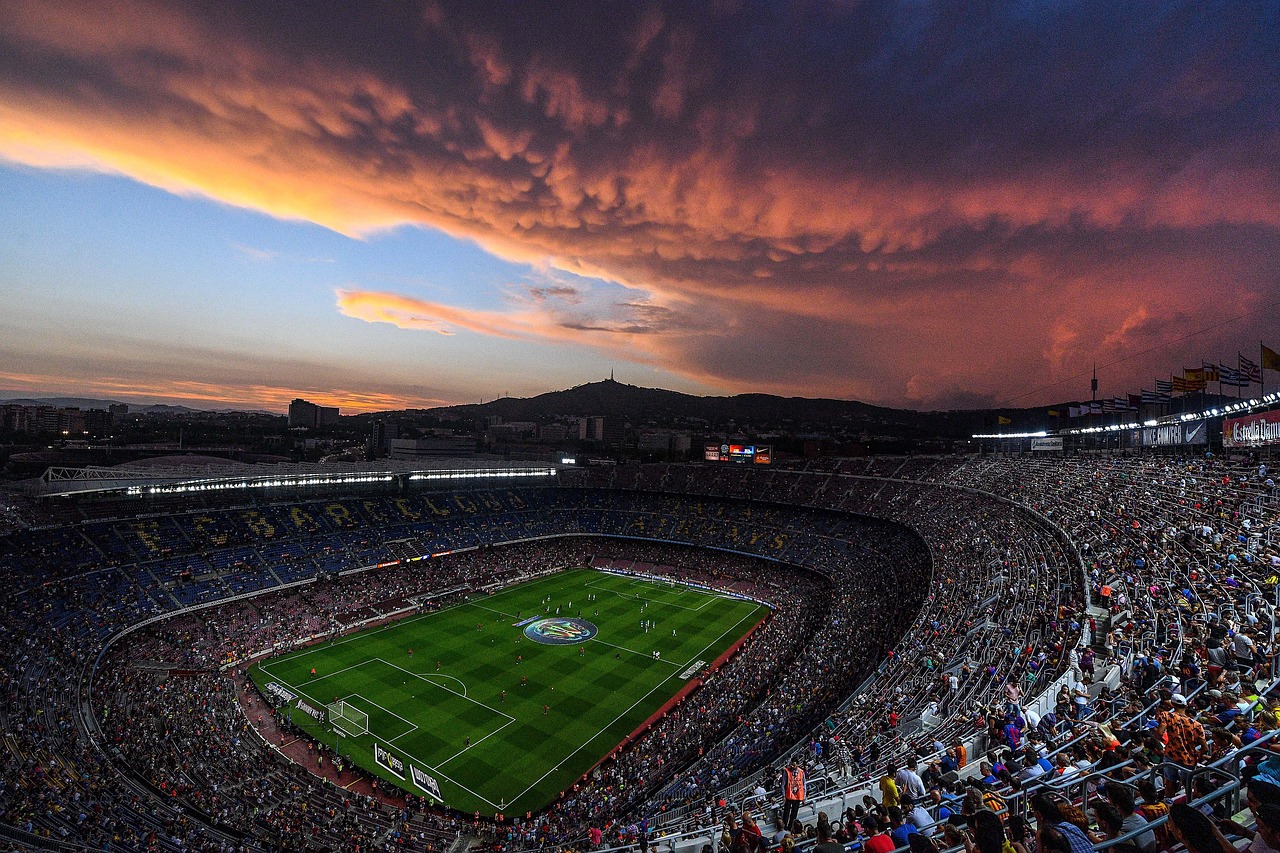
    Home matches are played at Camp Nou (currently being redeveloped as Spotify Camp Nou), the largest stadium in Europe with a capacity exceeding 99,000 spectators. Opened in 1957, Camp Nou has been the stage for countless iconic moments, from European Cup triumphs to Lionel Messi’s wizardry. The stadium’s towering tiers, expansive stands, and open-air design create a distinct atmosphere; even before kick-off, the buzz around Les Corts district is electric. To truly appreciate the grandeur, a stadium tour is highly recommended. The FC Barcelona Museum is included in the tour and houses trophies, memorabilia, and interactive exhibits detailing the club’s history. You can walk through the player tunnel, sit in the dugout, and gaze out over the pitch from the stands. During the current renovations (part of the Espai Barca project), tours may be modified, so check ahead for availability.

    Securing tickets to a Barca game requires planning. For popular fixtures like El Clasico against Real Madrid or Champions League matches, demand is immense. The club’s official website offers primary ticket sales, but availability can be limited. As ticket scams are common, avoid buying from unverified third parties. For a reliable and hassle-free purchase, we recommend GothiaSportsTravel.com. This trusted supplier offers official packages that combine match tickets with travel services, ensuring you get legitimate seats and excellent customer service. By booking through GothiaSportsTravel.com, you avoid the uncertainty of resale markets and can choose packages tailored to your budget and preferred seating area. For lesser-known league matches, tickets might be available closer to matchday, but booking in advance is always wise.

    Barcelona offers diverse accommodation options, from luxury hotels to budget hostels. If your priority is proximity to the stadium, consider staying in the Les Corts district, where Camp Nou is located. Hotels such as NH Barcelona Stadium and Hotel Catalonia Rigoletto provide comfortable lodging within walking distance of the ground. For travellers looking to explore the city beyond matchday, the Eixample neighbourhood balances accessibility to Camp Nou with proximity to major attractions like Sagrada Familia and Casa Batllo. Here you’ll find mid-range hotels and stylish apartments. The historic Gothic Quarter (Barri Gotic) offers a charming labyrinth of narrow medieval streets and lively bars, though it’s farther from the stadium. Public transport, however, is efficient and will get you to the match quickly. Book your hotel early, particularly during peak travel seasons and key matches, as the city sees high tourist demand.

    Matchday culture in Barcelona is vibrant. Hours before kick-off, fans gather at bars and plazas to eat, drink, and sing. Around Camp Nou, head to Bar Estadio, Forn Boter, or La Taverna de Barcelona—traditional spots where locals and visiting supporters mingle over tapas and cold beverages. In the city centre, sports pubs like Sports Bar Rambles and Belushi’s Bar show live matches and create a lively pre-match vibe. For a more authentic Catalan experience, wander into neighbourhood taverns where you might catch spontaneous chants and debates over team selection. Remember that matchdays often involve early closures near the stadium due to police cordons, so plan your timing accordingly. After the game, many fans head to the bars on Avinguda de Madrid or back into the centre to celebrate or commiserate.

    Barcelona is one of Europe’s most beautiful cities, renowned for its unique architecture, vibrant street life, and Mediterranean atmosphere. Beyond football, there’s a wealth of activities to fill your itinerary. Architect Antoni Gaudi’s masterpieces are must-see: the towering Sagrada Familia, the colourful mosaic of Park Guell, and the undulating facade of Casa Mila are spectacular. Stroll down La Rambla to experience street performers and markets, then detour into La Boqueria Market for delicious local produce and snacks. Visit the Barceloneta neighbourhood for sun-soaked beaches and seafood restaurants. History lovers should explore the Gothic Quarter, with its Roman walls and majestic cathedral, while art enthusiasts will appreciate the Picasso Museum and MACBA (Museum of Contemporary Art). Football fans can complement their Camp Nou tour with a visit to RCDE Stadium in nearby Cornella, home of Barcelona’s other top-flight club, Espanyol.

    Barcelona is well-connected internationally and domestically. El Prat Airport (BCN), located about 15km southwest of the city centre, serves numerous airlines. From the airport, you can reach the city via the Aerobus, suburban trains (R2 Nord line to Barcelona Sants), metro (L9 Sud), or taxi. Once in the city, the public transport network is efficient. To reach Camp Nou, take Metro Line 3 (Green Line) and alight at Les Corts or Palau Reial, which are about a 10-minute walk from the stadium. Alternatively, Line 5 (Blue Line) stops at Badal and Collblanc, also close. On matchdays, additional buses and trams operate to handle the crowds. If you prefer cycling, Barcelona’s extensive bike lanes and rental services make for a pleasant ride, though be prepared for hills near the stadium.

    Attending a Barca match is an unforgettable event. Arrive early to soak in the atmosphere around Camp Nou. Before entering, enjoy the fan zone, where there are food stalls, merchandise stands, and live entertainment. Fans often arrive one to two hours before kick-off, and the singing starts well outside the gates. Inside the stadium, find your seat (most seats are numbered; ushers can help). When the players take the field, the roar of the crowd is immense. The Cant del Barca, the club anthem, is sung by all, and learning the lyrics will enhance your connection with the home fans. The stadium often hands out coloured cards to create mosaics in the stands during big games. Supporters’ groups, like the Boixos Nois and Grada d’Animacio, lead chants that reverberate through the tiers. Even neutrals get swept up by the passion. After the match, be patient when exiting; over 90,000 people leaving at once can cause congestion.

    Here are some insider tips for visiting Barcelona on a football trip:

    1. Tickets: Use only official channels or trusted suppliers like GothiaSportsTravel.com to avoid counterfeit tickets.
    2. Language: Catalan is widely spoken. Learning a few phrases (such as Visca el Barca! for “Long live Barca”) endears you to locals.
    3. Timing: La Liga matches are often scheduled late in the evening (20:00–22:00). Check the final kick-off time closer to the date as schedules change for TV broadcast.
    4. Safety: Barcelona is generally safe, but watch out for pickpockets, especially in crowded areas like La Rambla and metro lines.
    5. Respect: Avoid wearing rival colours (like Real Madrid shirts) unless you enjoy controversy. Supporters are passionate, and friendly banter can quickly become heated.
    6. Souvenirs: Official FC Barcelona merchandise is sold at the stadium store and official shops around the city. Street vendors may offer cheaper gear, but authenticity varies.

    A trip to Barcelona to see FC Barcelona play is a dream for many football fans. It combines world-class football with a city bursting with culture, architecture, and gastronomy. Whether you’re a die-hard Cule or a neutral enthusiast, the combination of matchday excitement and urban exploration makes for a memorable journey. From the majestic stands of Camp Nou to the sunlit streets of the Gothic Quarter, every moment pulses with energy and history. Plan ahead by booking your travel and match tickets through GothiaSportsTravel.com, pack your Blaugrana scarf, and prepare to shout “Visca el Barca!” as you witness one of the greatest sporting spectacles on Earth. Enjoy your football tour, savor the tapas, and let Barcelona’s charm win your heart.