Why Manchester Is a Must for Football Travellers
If you love football, Manchester should sit near the top of your travel list. Few cities pack two Premier League giants, a fierce local rivalry, and a walkable core of pubs, hotels, and tram links into one weekend. Whether you follow Manchester United, Manchester City, or simply want a proper English match day, a football trip to Manchester delivers atmosphere you can feel from the moment you step off the train at Piccadilly.
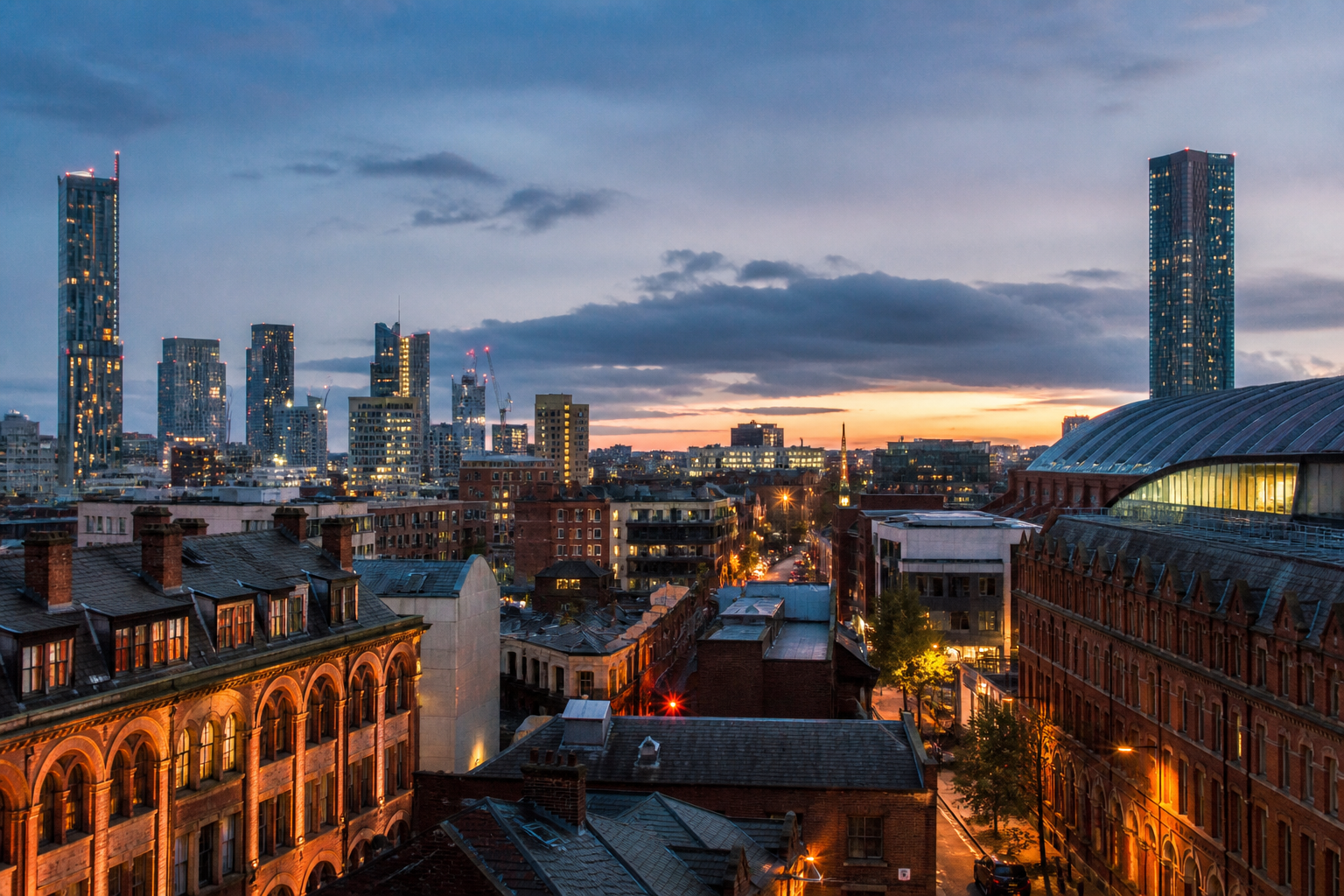
This guide walks you through planning a first visit: when to go, how to get tickets without panic, where to stay, how Metrolink and buses connect the stadiums, and how to balance football with food and city exploration. Treat it as your practical blueprint for Football Guide readers who want more than a ticket stub—and who want the city itself to feel like part of the match.
When to Visit and How to Structure Your Trip
Season rhythm and fixture timing
The Premier League season typically runs from August to May. Midweek Champions League or Europa nights can add intensity, while Saturday 3pm kick-offs remain the classic English experience. Bank holiday weekends and Christmas fixtures often mean heavier crowds and higher hotel rates, so book early if your dates are fixed.
Aim for at least two full days on the ground: arrive the day before the match, enjoy the city and stadium area, then leave the morning after. That buffer protects you against delayed flights, late kick-offs, and the simple joy of a long pub lunch.
Building a realistic itinerary
A solid first trip might look like this:
- Day 1: Arrive at Manchester Piccadilly or the airport, check into a hotel near the city centre or your chosen stadium, walk Deansgate or Northern Quarter, and settle into a local pub.
- Day 2: Match day—stadium approach, atmosphere, the game, then a post-match meal.
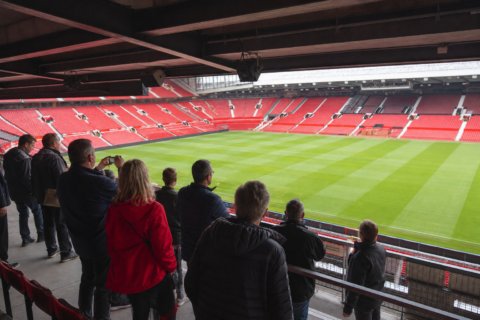
- Day 3 (optional): Stadium tour of the club you did not watch, or a second club museum visit if time allows.
If you only have one night, prioritise the match and a nearby hotel so you are not racing across the city after full-time. Night matches look glamorous on television; they are less fun when you are dragging a suitcase through Piccadilly at midnight.
Tickets: Scarcity, Reality, and Safe Habits
Big games at Old Trafford and the Etihad sell out fast—especially derbies, title-deciding fixtures, and European nights. Do not invent a plan around “walking up” for a Premier League ticket. Official club channels, membership schemes, and authorised resale partners are the safest routes. Expect membership fees and ballot systems for the highest-demand matches; availability varies week to week.
Approximate secondary-market prices for popular games can sit well above face value—think “hundreds of pounds” rather than bargains. For lower-profile midweek or early-season fixtures, official channels are more realistic for visitors. Never share payment details with unverified sellers on social media. If a deal looks too good for a sold-out derby, it usually is.
Getting Around: Piccadilly, Metrolink, and Match-Day Flow
Arriving in the city
Manchester Piccadilly is the main rail hub for visitors from London, Scotland, and across the North. From the airport, trains and Metrolink connect into the centre. Once you are downtown, most football logistics revolve around Metrolink trams, buses, and walking. Give yourself a quiet practice ride the evening before a big match if you are new to the network—confidence on match day is worth the small fare.
Old Trafford and the Etihad by tram
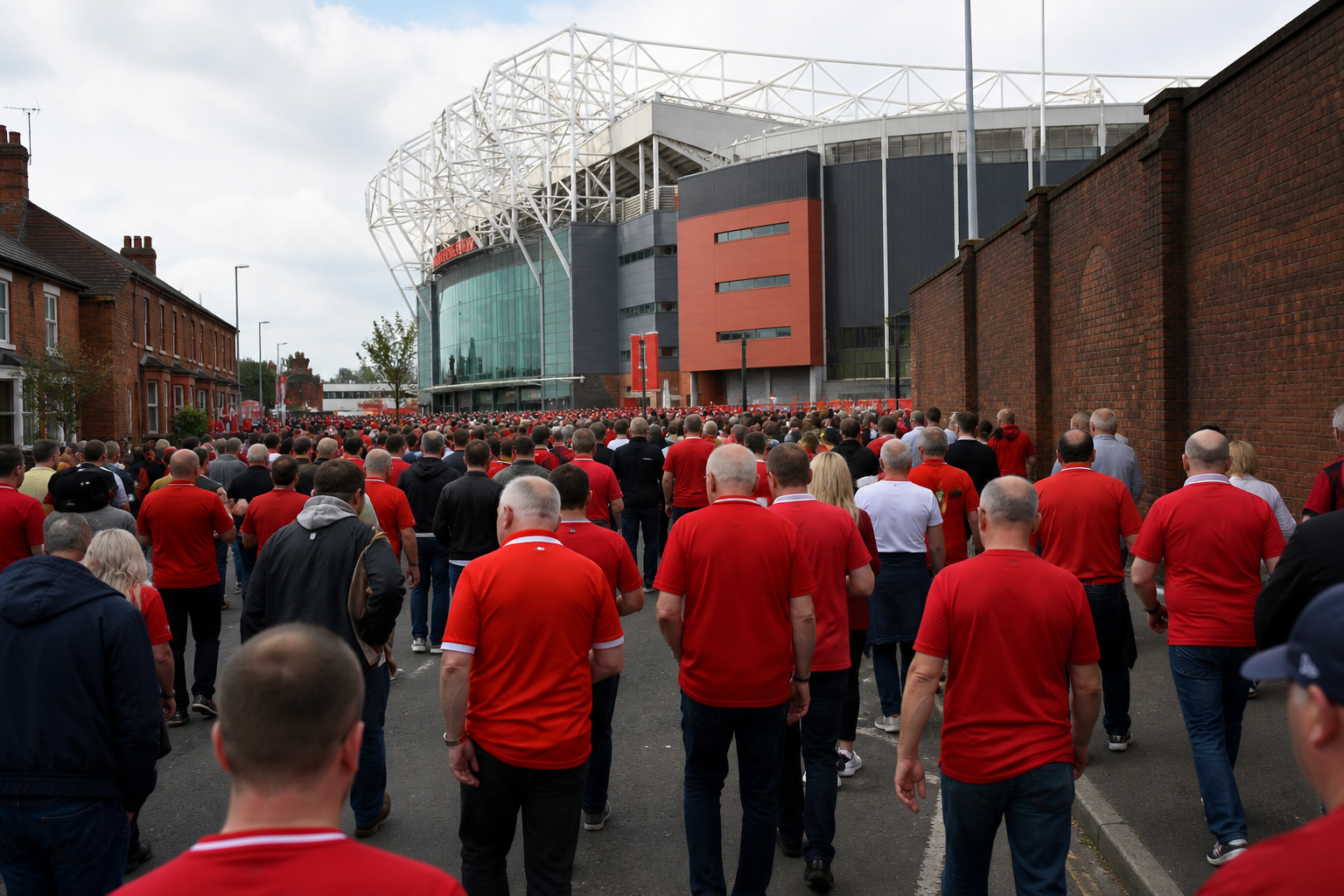
- Old Trafford (Manchester United): Metrolink stops near the stadium area make match-day travel straightforward from Piccadilly and city-centre hotels. Allow extra time for crowded platforms before kick-off and after full-time.
- Etihad Stadium (Manchester City): The Etihad Campus stop on Metrolink is designed for match crowds. Trams fill quickly; arrive early and expect queues when tens of thousands leave together.
Taxis and rideshares surge in price after big games. Walking part of the way with the crowd is often faster than waiting for a car. Buy a Metrolink day ticket or contactless option that covers your stadium hop so you are not fumbling for change at the barriers. Keep a backup route in mind if a line is suspended—match days are when disruptions hurt most.
Where to Stay: Hotels Near Stadiums vs City Centre
City centre base
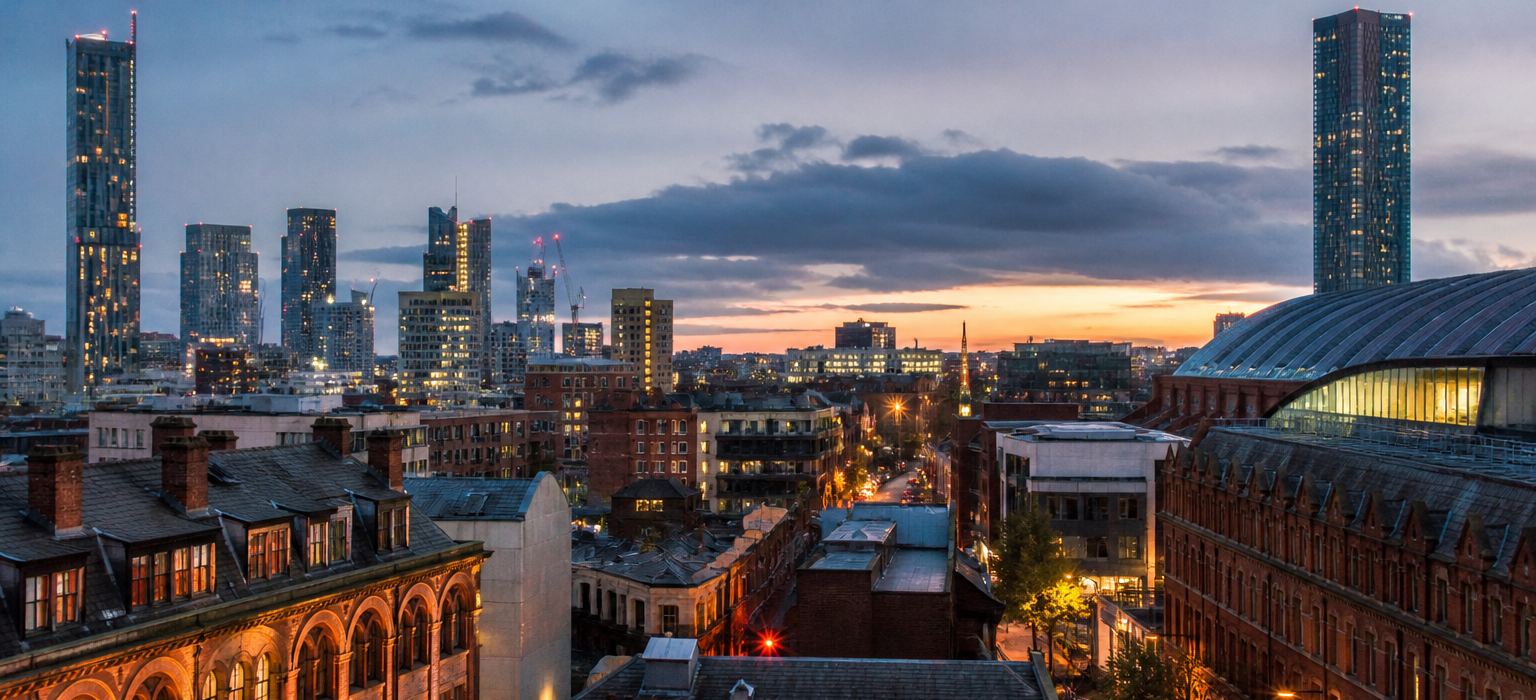
Staying near Piccadilly, Deansgate, or the Northern Quarter gives you restaurants, nightlife, and easy tram access to both stadiums. This is ideal if you want one hotel for exploring United and City areas across a longer trip. Central rooms also help if kick-off times move and you need to reshuffle plans quickly.
Stadium-adjacent stays
Hotels around Old Trafford / Salford Quays and around the Etihad / Sportcity corridor cut walking time on match day. Book early for derby weekends; prices climb and rooms vanish. Check cancellation policies if fixtures can be rearranged for TV schedules—kick-off times in England often shift with little notice for overseas visitors.
Pubs, Food, and Pre-Match Rituals
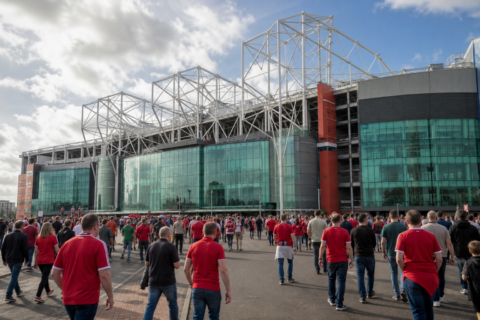
Manchester’s football culture lives in its pubs as much as in the stands. Near Old Trafford, pubs fill early with United scarves and songs. Around the Etihad and in the city centre, City fans gather in designated spots and independent bars. As a visitor, read the room: wear your colours proudly in the right areas, and stay neutral or discreet if you are crossing rival territory.
Food-wise, expect classic match-day pies, chips, and pub fare near both grounds, plus stronger restaurant scenes in the city centre—Northern Quarter for casual bites, Spinningfields and Deansgate for sit-down meals. Save a proper curry or modern British dinner for the night before or after the match so you are not rushing. Hydrate between pints if you are walking long distances; match days are athletic in their own way.
Stadium and Club Angle: Two Clubs, One City
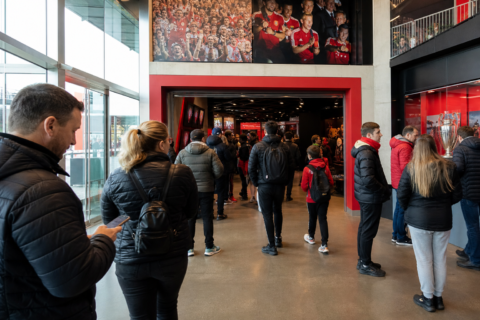
Manchester United’s Old Trafford remains one of football’s most famous arenas—history, museum, and a vast bowl of noise on European nights. Manchester City’s Etihad reflects a modern campus feel: sleek stands, strong home support, and a neighbourhood transformed by the club’s rise. Understanding both clubs’ identities makes the city richer even if you only attend one match.
The Manchester derby is the emotional peak of the local calendar. Neutral visitors should plan carefully: tickets are scarce, atmosphere is intense, and streets around both stadiums pulse with colour and tension. For a first trip, a “regular” Premier League fixture can be less stressful and still unforgettable. Either way, give the host club’s history an hour of your attention—museum, tour, or even a well-chosen documentary the night before—so the chants make more sense when they rise.
Practical Tips That Save Your Weekend
- Confirm kick-off time 48 hours before travel; TV selections change schedules.
- Screenshot tickets and hotel confirmations offline.
- Pack layers—Manchester weather swings from bright to wet in an afternoon.
- Arrive at the stadium at least 90 minutes early for big games.
- Agree a meeting point with friends if phone signal drops in crowds.
- Budget for food, tram fares, and a souvenir scarf without relying on stadium-only prices.
Soft CTA: Plan Your Manchester Football Trip With Football Guide
A football trip to Manchester rewards fans who plan transport, tickets, and hotels with the same care they give to the ninety minutes. Use this ultimate guide as your starting map, then dive into our deeper match-day pieces for Old Trafford, the Etihad, derby weekends, and stadium-tour combinations on Football Guide (footballguide.link). Pick your club weekend, lock the logistics early, and leave room for one more pint with the locals—you will want the stories as much as the scoreline.